一、基本概念(查询语句)
①基本语句
②条件查询
1)比较运算符:>, =,
2)逻辑运算符:and, or, not
3)模糊查询:like, rlike
4)范围查询:in,not in,between…and,not between…and
空判断
排序:order_by
分组:group_by, group_concat():查询内容, having
分页: limit
limit start,count   (start:表示从哪─个开始;count:表示数量)
即limit(第N页-1)*每个的个数,每页的个数;
limit在使用的时候,要放在最后面.
5)聚合函数:count(), max(), min(), sum(), avg(), round()
6)连接查询 :inner join, left join, right join
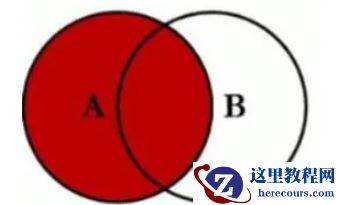
left join是按照左边的表为基准和右边的表进行查询,查到就显示,查不到就显示为null
补充
注意:WHERE子句中是不能用聚集函数作为条件表达式的!
二、总结
1、普通查询
(1)命令:select * from ;
(2)命令:select from ;
2、去重查询(distinct)
命令:select distinct from
3、排序查询(order by)
升序:asc
降序:desc
降序排列命令:select from order by desc
不加desc一般默认为升序排列
4、分组查询(group by)
命令:select , Sum(score) from group by
假设现在又有一个学生成绩表(result)。要求查询一个学生的总成绩。我们根据学号将他们分为了不同的组。
命令:
select id, Sum(score)
from result
group by id;
现在有两个表学生表(stu)和成绩表(result)。
5.等值查询
当连接运算符为“=”时,为等值连接查询。
现在要查询年龄小于20岁学生的不及格成绩。
select stu.id,score
from stu,result
where stu.id = result.id and age < 20 and score < 60;
等值查询效率太低
6.外连接查询
①语法
select f1,f2,f3,....
from table1 left/right outer join table2
on 条件;
②左外连接查询,例如
select a.id,score
from
  (select id,age from stu where age < 20) a (过滤左表信息)
left join
  (select id, score from result where score < 60) b (过滤右表信息)
on a.id = b.id;
左外连接就是左表过滤的结果必须全部存在。右表中如果没有与左表过滤出来的数据匹配的记录,那么就会出现NULL值
③右外连接查询,例如
select a.id,score
from
  (select id,age from stu where age < 20) a (过滤左表信息)
right join
  (select id, score from result where score < 60) b (过滤右表信息)
on a.id = b.id;
右外连接就是左表过滤的结果必须全部存在
7.内连接查询
①语法
select f1,f2,f3,....
from table1 inter join table2
on 条件;
②例如
select a.id,score
from
  (select id,age from stu where age < 20) a (过滤左表信息)
inner join
  (select id, score from result where score < 60) b (过滤右表信息)
on a.id = b.id;
8.合并查询
在图书表(t_book)和图书类别表(t_bookType)中
①.union
使用union关键字是,数据库系统会将所有的查询结果合并到一起,然后去掉相同的记录;
select id
from t_book
 union
select id
from t_bookType;
②.union all
使用union all,不会去除掉重复的记录;
select id
from t_book
 union all
select id
from t_bookType;