原文: https://www.enmotech.com/web/detail/1/852/1.html
导读:本文是读者『小豹子加油』的投稿,通过举出唐僧师徒取经的例子,详述一则使用JOIN来优化SQL的案例。
准备相关表
相关建表语句请看: https://github.com/YangBaohust/my_sql
user1表,取经组
+----+-----------+-----------------+---------------------------------+ | id | user_name | comment | mobile | +----+-----------+-----------------+---------------------------------+ | 1 | 唐僧 | 旃檀功德佛 | 138245623,021-382349 | | 2 | 孙悟空 | 斗战胜佛 | 159384292,022-483432,+86-392432 | | 3 | 猪八戒 | 净坛使者 | 183208243,055-8234234 | | 4 | 沙僧 | 金身罗汉 | 293842295,098-2383429 | | 5 | NULL | 白龙马 | 993267899 | +----+-----------+-----------------+---------------------------------+
user2表,悟空的朋友圈
+----+--------------+-----------+ | id | user_name | comment | +----+--------------+-----------+ | 1 | 孙悟空 | 美猴王 | | 2 | 牛魔王 | 牛哥 | | 3 | 铁扇公主 | 牛夫人 | | 4 | 菩提老祖 | 葡萄 | | 5 | NULL | 晶晶 | +----+--------------+-----------+
user1_kills表,取经路上杀的妖怪数量
+----+-----------+---------------------+-------+ | id | user_name | timestr | kills | +----+-----------+---------------------+-------+ | 1 | 孙悟空 | 2013-01-10 00:00:00 | 10 | | 2 | 孙悟空 | 2013-02-01 00:00:00 | 2 | | 3 | 孙悟空 | 2013-02-05 00:00:00 | 12 | | 4 | 孙悟空 | 2013-02-12 00:00:00 | 22 | | 5 | 猪八戒 | 2013-01-11 00:00:00 | 20 | | 6 | 猪八戒 | 2013-02-07 00:00:00 | 17 | | 7 | 猪八戒 | 2013-02-08 00:00:00 | 35 | | 8 | 沙僧 | 2013-01-10 00:00:00 | 3 | | 9 | 沙僧 | 2013-01-22 00:00:00 | 9 | | 10 | 沙僧 | 2013-02-11 00:00:00 | 5 | +----+-----------+---------------------+-------+
user1_equipment表,取经组装备
+----+-----------+--------------+-----------------+-----------------+ | id | user_name | arms | clothing | shoe | +----+-----------+--------------+-----------------+-----------------+ | 1 | 唐僧 | 九环锡杖 | 锦斓袈裟 | 僧鞋 | | 2 | 孙悟空 | 金箍棒 | 梭子黄金甲 | 藕丝步云履 | | 3 | 猪八戒 | 九齿钉耙 | 僧衣 | 僧鞋 | | 4 | 沙僧 | 降妖宝杖 | 僧衣 | 僧鞋 | +----+-----------+--------------+-----------------+-----------------+
使用left join优化not in子句
例子:找出取经组中不属于悟空朋友圈的人
+----+-----------+-----------------+-----------------------+ | id | user_name | comment | mobile | +----+-----------+-----------------+-----------------------+ | 1 | 唐僧 | 旃檀功德佛 | 138245623,021-382349 | | 3 | 猪八戒 | 净坛使者 | 183208243,055-8234234 | | 4 | 沙僧 | 金身罗汉 | 293842295,098-2383429 | +----+-----------+-----------------+-----------------------+
not in写法:
select * from user1 a where a.user_name not in (select user_name from user2 where user_name is not null);
left join写法:首先看通过user_name进行连接的外连接数据集
select a.*, b.* from user1 a left join user2 b on (a.user_name = b.user_name); +----+-----------+-----------------+---------------------------------+------+-----------+-----------+ | id | user_name | comment | mobile | id | user_name | comment | +----+-----------+-----------------+---------------------------------+------+-----------+-----------+ | 2 | 孙悟空 | 斗战胜佛 | 159384292,022-483432,+86-392432 | 1 | 孙悟空 | 美猴王 | | 1 | 唐僧 | 旃檀功德佛 | 138245623,021-382349 | NULL | NULL | NULL | | 3 | 猪八戒 | 净坛使者 | 183208243,055-8234234 | NULL | NULL | NULL | | 4 | 沙僧 | 金身罗汉 | 293842295,098-2383429 | NULL | NULL | NULL | | 5 | NULL | 白龙马 | 993267899 | NULL | NULL | NULL | +----+-----------+-----------------+---------------------------------+------+-----------+-----------+
可以看到a表中的所有数据都有显示,b表中的数据只有b.user_name与a.user_name相等才显示,其余都以null值填充,要想找出取经组中不属于悟空朋友圈的人,只需要在b.user_name中加一个过滤条件b.user_name is null即可。
select a.* from user1 a left join user2 b on (a.user_name = b.user_name) where b.user_name is null; +----+-----------+-----------------+-----------------------+ | id | user_name | comment | mobile | +----+-----------+-----------------+-----------------------+ | 1 | 唐僧 | 旃檀功德佛 | 138245623,021-382349 | | 3 | 猪八戒 | 净坛使者 | 183208243,055-8234234 | | 4 | 沙僧 | 金身罗汉 | 293842295,098-2383429 | | 5 | NULL | 白龙马 | 993267899 | +----+-----------+-----------------+-----------------------+
看到这里发现结果集中还多了一个白龙马,继续添加过滤条件a.user_name is not null即可。
select a.* from user1 a left join user2 b on (a.user_name = b.user_name) where b.user_name is null and a.user_name is not null;
使用left join优化标量子查询
例子:查看取经组中的人在悟空朋友圈的昵称
+-----------+-----------------+-----------+ | user_name | comment | comment2 | +-----------+-----------------+-----------+ | 唐僧 | 旃檀功德佛 | NULL | | 孙悟空 | 斗战胜佛 | 美猴王 | | 猪八戒 | 净坛使者 | NULL | | 沙僧 | 金身罗汉 | NULL | | NULL | 白龙马 | NULL | +-----------+-----------------+-----------+
子查询写法:
select a.user_name, a.comment, (select comment from user2 b where b.user_name = a.user_name) comment2 from user1 a;
left join写法:
select a.user_name, a.comment, b.comment comment2 from user1 a left join user2 b on (a.user_name = b.user_name);
3. 使用join优化聚合子查询
+----+-----------+---------------------+-------+ | id | user_name | timestr | kills | +----+-----------+---------------------+-------+ | 4 | 孙悟空 | 2013-02-12 00:00:00 | 22 | | 7 | 猪八戒 | 2013-02-08 00:00:00 | 35 | | 9 | 沙僧 | 2013-01-22 00:00:00 | 9 | +----+-----------+---------------------+-------+
聚合子查询写法:
select * from user1_kills a where a.kills = (select max(b.kills) from user1_kills b where b.user_name = a.user_name);
join写法:
select a.*, b.* from user1_kills a join user1_kills b on (a.user_name = b.user_name) order by 1; +----+-----------+---------------------+-------+----+-----------+---------------------+-------+ | id | user_name | timestr | kills | id | user_name | timestr | kills | +----+-----------+---------------------+-------+----+-----------+---------------------+-------+ | 5 | 猪八戒 | 2013-01-11 00:00:00 | 20 | 5 | 猪八戒 | 2013-01-11 00:00:00 | 20 | | 5 | 猪八戒 | 2013-01-11 00:00:00 | 20 | 6 | 猪八戒 | 2013-02-07 00:00:00 | 17 | | 5 | 猪八戒 | 2013-01-11 00:00:00 | 20 | 7 | 猪八戒 | 2013-02-08 00:00:00 | 35 | | 6 | 猪八戒 | 2013-02-07 00:00:00 | 17 | 7 | 猪八戒 | 2013-02-08 00:00:00 | 35 | | 6 | 猪八戒 | 2013-02-07 00:00:00 | 17 | 5 | 猪八戒 | 2013-01-11 00:00:00 | 20 | | 6 | 猪八戒 | 2013-02-07 00:00:00 | 17 | 6 | 猪八戒 | 2013-02-07 00:00:00 | 17 | | 7 | 猪八戒 | 2013-02-08 00:00:00 | 35 | 5 | 猪八戒 | 2013-01-11 00:00:00 | 20 | | 7 | 猪八戒 | 2013-02-08 00:00:00 | 35 | 6 | 猪八戒 | 2013-02-07 00:00:00 | 17 | | 7 | 猪八戒 | 2013-02-08 00:00:00 | 35 | 7 | 猪八戒 | 2013-02-08 00:00:00 | 35 | +----+-----------+---------------------+-------+----+-----------+---------------------+-------+可以看到当两表通过user_name进行自关联,只需要对a表的所有字段进行一个group by,取b表中的max(kills),只要a.kills=max(b.kills)就满足要求了。sql如下
select a.* from user1_kills a join user1_kills b on (a.user_name = b.user_name) group by a.id, a.user_name, a.timestr, a.kills having a.kills = max(b.kills);
使用join进行分组选择
例子:对第3个例子进行升级,查询出取经组中每人打怪最多的前两个日期
+----+-----------+---------------------+-------+ | id | user_name | timestr | kills | +----+-----------+---------------------+-------+ | 3 | 孙悟空 | 2013-02-05 00:00:00 | 12 | | 4 | 孙悟空 | 2013-02-12 00:00:00 | 22 | | 5 | 猪八戒 | 2013-01-11 00:00:00 | 20 | | 7 | 猪八戒 | 2013-02-08 00:00:00 | 35 | | 9 | 沙僧 | 2013-01-22 00:00:00 | 9 | | 10 | 沙僧 | 2013-02-11 00:00:00 | 5 | +----+-----------+---------------------+-------+
在oracle中,可以通过分析函数来实现
select b.* from (select a.*, row_number() over(partition by user_name order by kills desc) cnt from user1_kills a) b where b.cnt <= 2;
很遗憾,上面sql在mysql中报错ERROR 1064 (42000): You have an error in your SQL syntax; 因为mysql并不支持分析函数。不过可以通过下面的方式去实现。
首先对两表进行自关联,为了节约篇幅,只取出孙悟空的数据select a.*, b.* from user1_kills a join user1_kills b on (a.user_name=b.user_name and a.kills<=b.kills) order by a.user_name, a.kills desc; +----+-----------+---------------------+-------+----+-----------+---------------------+-------+ | id | user_name | timestr | kills | id | user_name | timestr | kills | +----+-----------+---------------------+-------+----+-----------+---------------------+-------+ | 4 | 孙悟空 | 2013-02-12 00:00:00 | 22 | 4 | 孙悟空 | 2013-02-12 00:00:00 | 22 | | 3 | 孙悟空 | 2013-02-05 00:00:00 | 12 | 3 | 孙悟空 | 2013-02-05 00:00:00 | 12 | | 3 | 孙悟空 | 2013-02-05 00:00:00 | 12 | 4 | 孙悟空 | 2013-02-12 00:00:00 | 22 | | 1 | 孙悟空 | 2013-01-10 00:00:00 | 10 | 1 | 孙悟空 | 2013-01-10 00:00:00 | 10 | | 1 | 孙悟空 | 2013-01-10 00:00:00 | 10 | 3 | 孙悟空 | 2013-02-05 00:00:00 | 12 | | 1 | 孙悟空 | 2013-01-10 00:00:00 | 10 | 4 | 孙悟空 | 2013-02-12 00:00:00 | 22 | | 2 | 孙悟空 | 2013-02-01 00:00:00 | 2 | 1 | 孙悟空 | 2013-01-10 00:00:00 | 10 | | 2 | 孙悟空 | 2013-02-01 00:00:00 | 2 | 3 | 孙悟空 | 2013-02-05 00:00:00 | 12 | | 2 | 孙悟空 | 2013-02-01 00:00:00 | 2 | 4 | 孙悟空 | 2013-02-12 00:00:00 | 22 | | 2 | 孙悟空 | 2013-02-01 00:00:00 | 2 | 2 | 孙悟空 | 2013-02-01 00:00:00 | 2 | +----+-----------+---------------------+-------+----+-----------+---------------------+-------+
从上面的表中我们知道孙悟空打怪前两名的数量是22和12,那么只需要对a表的所有字段进行一个group by,对b表的id做个count,count值小于等于2就满足要求,sql改写如下:
select a.* from user1_kills a join user1_kills b on (a.user_name=b.user_name and a.kills<=b.kills) group by a.id, a.user_name, a.timestr, a.kills having count(b.id) <= 2;
使用笛卡尔积关联实现一列转多行
例子:将取经组中每个电话号码变成一行
原始数据:
+-----------+---------------------------------+ | user_name | mobile | +-----------+---------------------------------+ | 唐僧 | 138245623,021-382349 | | 孙悟空 | 159384292,022-483432,+86-392432 | | 猪八戒 | 183208243,055-8234234 | | 沙僧 | 293842295,098-2383429 | | NULL | 993267899 | +-----------+---------------------------------+
想要得到的数据:
+-----------+-------------+ | user_name | mobile | +-----------+-------------+ | 唐僧 | 138245623 | | 唐僧 | 021-382349 | | 孙悟空 | 159384292 | | 孙悟空 | 022-483432 | | 孙悟空 | +86-392432 | | 猪八戒 | 183208243 | | 猪八戒 | 055-8234234 | | 沙僧 | 293842295 | | 沙僧 | 098-2383429 | | NULL | 993267899 | +-----------+-------------+
可以看到唐僧有两个电话,因此他就需要两行。我们可以先求出每人的电话号码数量,然后与一张序列表进行笛卡儿积关联,为了节约篇幅,只取出唐僧的数据
select a.id, b.* from tb_sequence a cross join (select user_name, mobile, length(mobile)-length(replace(mobile, ',', ''))+1 size from user1) b order by 2,1; +----+-----------+---------------------------------+------+ | id | user_name | mobile | size | +----+-----------+---------------------------------+------+ | 1 | 唐僧 | 138245623,021-382349 | 2 | | 2 | 唐僧 | 138245623,021-382349 | 2 | | 3 | 唐僧 | 138245623,021-382349 | 2 | | 4 | 唐僧 | 138245623,021-382349 | 2 | | 5 | 唐僧 | 138245623,021-382349 | 2 | | 6 | 唐僧 | 138245623,021-382349 | 2 | | 7 | 唐僧 | 138245623,021-382349 | 2 | | 8 | 唐僧 | 138245623,021-382349 | 2 | | 9 | 唐僧 | 138245623,021-382349 | 2 | | 10 | 唐僧 | 138245623,021-382349 | 2 | +----+-----------+---------------------------------+------+
a.id对应的就是第几个电话号码,size就是总的电话号码数量,因此可以加上关联条件(a.id <= b.size),将上面的sql继续调整
select b.user_name, replace(substring(substring_index(b.mobile, ',', a.id), char_length(substring_index(mobile, ',', a.id-1)) + 1), ',', '') as mobile from tb_sequence a cross join (select user_name, concat(mobile, ',') as mobile, length(mobile)-length(replace(mobile, ',', ''))+1 size from user1) b on (a.id <= b.size);
使用笛卡尔积关联实现多列转多行
例子:将取经组中每件装备变成一行
原始数据:
+----+-----------+--------------+-----------------+-----------------+ | id | user_name | arms | clothing | shoe | +----+-----------+--------------+-----------------+-----------------+ | 1 | 唐僧 | 九环锡杖 | 锦斓袈裟 | 僧鞋 | | 2 | 孙悟空 | 金箍棒 | 梭子黄金甲 | 藕丝步云履 | | 3 | 猪八戒 | 九齿钉耙 | 僧衣 | 僧鞋 | | 4 | 沙僧 | 降妖宝杖 | 僧衣 | 僧鞋 | +----+-----------+--------------+-----------------+-----------------+
想要得到的数据:
+-----------+-----------+-----------------+ | user_name | equipment | equip_mame | +-----------+-----------+-----------------+ | 唐僧 | arms | 九环锡杖 | | 唐僧 | clothing | 锦斓袈裟 | | 唐僧 | shoe | 僧鞋 | | 孙悟空 | arms | 金箍棒 | | 孙悟空 | clothing | 梭子黄金甲 | | 孙悟空 | shoe | 藕丝步云履 | | 沙僧 | arms | 降妖宝杖 | | 沙僧 | clothing | 僧衣 | | 沙僧 | shoe | 僧鞋 | | 猪八戒 | arms | 九齿钉耙 | | 猪八戒 | clothing | 僧衣 | | 猪八戒 | shoe | 僧鞋 | +-----------+-----------+-----------------+
union的写法:
select user_name, 'arms' as equipment, arms equip_mame from user1_equipment union all select user_name, 'clothing' as equipment, clothing equip_mame from user1_equipment union all select user_name, 'shoe' as equipment, shoe equip_mame from user1_equipment order by 1, 2;
join的写法:
首先看笛卡尔数据集的效果,以唐僧为例select a.*, b.* from user1_equipment a cross join tb_sequence b where b.id <= 3; +----+-----------+--------------+-----------------+-----------------+----+ | id | user_name | arms | clothing | shoe | id | +----+-----------+--------------+-----------------+-----------------+----+ | 1 | 唐僧 | 九环锡杖 | 锦斓袈裟 | 僧鞋 | 1 | | 1 | 唐僧 | 九环锡杖 | 锦斓袈裟 | 僧鞋 | 2 | | 1 | 唐僧 | 九环锡杖 | 锦斓袈裟 | 僧鞋 | 3 | +----+-----------+--------------+-----------------+-----------------+----+
使用case对上面的结果进行处理
select user_name, case when b.id = 1 then 'arms' when b.id = 2 then 'clothing' when b.id = 3 then 'shoe' end as equipment, case when b.id = 1 then arms end arms, case when b.id = 2 then clothing end clothing, case when b.id = 3 then shoe end shoe from user1_equipment a cross join tb_sequence b where b.id <=3; +-----------+-----------+--------------+-----------------+-----------------+ | user_name | equipment | arms | clothing | shoe | +-----------+-----------+--------------+-----------------+-----------------+ | 唐僧 | arms | 九环锡杖 | NULL | NULL | | 唐僧 | clothing | NULL | 锦斓袈裟 | NULL | | 唐僧 | shoe | NULL | NULL | 僧鞋 | +-----------+-----------+--------------+-----------------+-----------------+
使用coalesce函数将多列数据进行合并
select user_name, case when b.id = 1 then 'arms' when b.id = 2 then 'clothing' when b.id = 3 then 'shoe' end as equipment, coalesce(case when b.id = 1 then arms end, case when b.id = 2 then clothing end, case when b.id = 3 then shoe end) equip_mame from user1_equipment a cross join tb_sequence b where b.id <=3 order by 1, 2;
使用join更新过滤条件中包含自身的表
例子:把同时存在于取经组和悟空朋友圈中的人,在取经组中把comment字段更新为"此人在悟空的朋友圈"
我们很自然地想到先查出user1和user2中user_name都存在的人,然后更新user1表,sql如下
update user1 set comment = '此人在悟空的朋友圈' where user_name in (select a.user_name from user1 a join user2 b on (a.user_name = b.user_name));
很遗憾,上面sql在mysql中报错:ERROR 1093 (HY000): You can't specify target table 'user1' for update in FROM clause,提示不能更新目标表在from子句的表。
那有没其它办法呢?我们可以将in的写法转换成join的方式
select c.*, d.* from user1 c join (select a.user_name from user1 a join user2 b on (a.user_name = b.user_name)) d on (c.user_name = d.user_name); +----+-----------+--------------+---------------------------------+-----------+ | id | user_name | comment | mobile | user_name | +----+-----------+--------------+---------------------------------+-----------+ | 2 | 孙悟空 | 斗战胜佛 | 159384292,022-483432,+86-392432 | 孙悟空 |
+----+-----------+--------------+---------------------------------+-----------+ 然后对join之后的视图进行更新即可 update user1 c join (select a.user_name from user1 a join user2 b on (a.user_name = b.user_name)) d on (c.user_name = d.user_name) set c.comment = '此人在悟空的朋友圈';再查看user1,可以看到user1已修改成功
select * from user1; +----+-----------+-----------------------------+---------------------------------+ | id | user_name | comment | mobile | +----+-----------+-----------------------------+---------------------------------+ | 1 | 唐僧 | 旃檀功德佛 | 138245623,021-382349 | | 2 | 孙悟空 | 此人在悟空的朋友圈 | 159384292,022-483432,+86-392432 | | 3 | 猪八戒 | 净坛使者 | 183208243,055-8234234 | | 4 | 沙僧 | 金身罗汉 | 293842295,098-2383429 | | 5 | NULL | 白龙马 | 993267899 | +----+-----------+-----------------------------+---------------------------------+
使用join删除重复数据
首先向user2表中插入两条数据
insert into user2(user_name, comment) values ('孙悟空', '美猴王'); insert into user2(user_name, comment) values ('牛魔王', '牛哥');
例子:将user2表中的重复数据删除,只保留id号大的
+----+--------------+-----------+ | id | user_name | comment | +----+--------------+-----------+ | 1 | 孙悟空 | 美猴王 | | 2 | 牛魔王 | 牛哥 | | 3 | 铁扇公主 | 牛夫人 | | 4 | 菩提老祖 | 葡萄 | | 5 | NULL | 晶晶 | | 6 | 孙悟空 | 美猴王 | | 7 | 牛魔王 | 牛哥 | +----+--------------+-----------+
首先查看重复记录
select a.*, b.* from user2 a join (select user_name, comment, max(id) id from user2 group by user_name, comment having count(*) > 1) b on (a.user_name=b.user_name and a.comment=b.comment) order by 2; +----+-----------+-----------+-----------+-----------+------+ | id | user_name | comment | user_name | comment | id | +----+-----------+-----------+-----------+-----------+------+ | 1 | 孙悟空 | 美猴王 | 孙悟空 | 美猴王 | 6 | | 6 | 孙悟空 | 美猴王 | 孙悟空 | 美猴王 | 6 | | 2 | 牛魔王 | 牛哥 | 牛魔王 | 牛哥 | 7 | | 7 | 牛魔王 | 牛哥 | 牛魔王 | 牛哥 | 7 | +----+-----------+-----------+-----------+-----------+------+
接着只需要删除(a.id < b.id)的数据即可
delete a from user2 a join (select user_name, comment, max(id) id from user2 group by user_name, comment having count(*) > 1) b on (a.user_name=b.user_name and a.comment=b.comment) where a.id < b.id;
查看user2,可以看到重复数据已经被删掉了
select * from user2; +----+--------------+-----------+ | id | user_name | comment | +----+--------------+-----------+ | 3 | 铁扇公主 | 牛夫人 | | 4 | 菩提老祖 | 葡萄 | | 5 | NULL | 晶晶 | | 6 | 孙悟空 | 美猴王 | | 7 | 牛魔王 | 牛哥 | +----+--------------+-----------+
总结:给大家就介绍到这里,大家有兴趣可以多造点数据,然后比较不同的sql写法在执行时间上的区别。
想了解更多关于数据库、云技术的内容吗?
快来关注“数据和云"、"云和恩墨,"公众号及"云和恩墨"官方网站,我们期待大家一同学习与进步!
数据和云小程序”DBASK“在线问答,随时解惑,欢迎了解和关注!

编辑推荐:
下一篇:相关推荐


雷神推出 MIX PRO II 迷你主机:基于 Ultra 200H,玻璃上盖 + ARGB 灯效
2 月 9 日消息,雷神 (THUNDEROBOT) 现已宣布推出基于英

制造商 Musnap 推出彩色墨水屏电纸书 Ocean C:支持手写笔、第三方安卓应用
2 月 10 日消息,制造商 Musnap 现已在海外推出一款 Oce
热文推荐
- MySQL-巧用Join来优化SQL

MySQL-巧用Join来优化SQL
26-03-03- 腾讯财报背后的小秘密:转型路上的未知

腾讯财报背后的小秘密:转型路上的未知
26-03-03- 央视曝光瓜子泡水车,259项检测形同虚设
央视曝光瓜子泡水车,259项检测形同虚设
26-03-03- 财报惊喜不断,京东彻底走出阴霾?

财报惊喜不断,京东彻底走出阴霾?
26-03-03- Oracle RAC Cache Fusion 系列十二:Oracle RAC Enqueues And Lock Part 3
- 文档专栏丨Eygle、杨廷琨等老一辈专家的奋斗历程

文档专栏丨Eygle、杨廷琨等老一辈专家的奋斗历程
26-03-03- 视觉中国财报背后的版权门余波

视觉中国财报背后的版权门余波
26-03-03- SQLNET.AUTHENTICATION_SERVICES总结
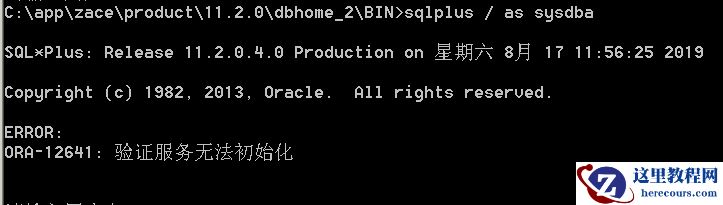
SQLNET.AUTHENTICATION_SERVICES总结
26-03-03- Oracle 12.1业务用户使用序列时报ORA-600导致业务无法正常进行
- Debian 中使用 less +F 实现实时日志查看(新手友好版 Linux 日志监控教程)