
[20230303]sqlplus column new_value old_value.txt --//前几天在测试时遇到的问题,我以为定义列 column xxxx new_value x2 old_value x1 --//new_value 保存新值在X2中。保存原来的旧值在X1中,实际上并不是这个意思,我理解错误。 --//通过例子说明: 1.环境: SCOTT@test01p> @ ver1 PORT_STRING VERSION BANNER CON_ID ------------------------------ -------------- -------------------------------------------------------------------------------- ---------- IBMPC/WIN_NT64-9.1.0 12.2.0.1.0 Oracle Database 12c Enterprise Edition Release 12.2.0.1.0 - 64bit Production 0 --//链接:https://www.orafaq.com/node/515 OLD_VALUE vs. NEW_VALUE OLD_VALUE acts very similarly to NEW_VALUE: The difference between the two only really comes up when you're using them for their intended purpose, to help you put page headers and footers on sql*plus reports. The current value of NEW_VALUE and OLD_VALUE can be displayed in report headers(TTITLE, REPHEADER) and footers (BTITLE, REPFOOTER). NEW_VALUE variables hold data from the new row about to be printed on the page; OLD_VALUE variables hold data from the old row that was most recently printed on the page. Thus, NEW_VALUE is usefulfor the report header, OLD_VALUE for the report footer. When you're just using NEW_VALUE and OLD_VALUE to get values from thedatabase into script variables, either NEW_VALUE or OLD_VALUE will do. 只有当你为其预期的目的使用它们时,这两者之间的区别才会真正显现出来,以帮助你将页眉和页脚放在sql*+报告上。NEW_VALUE和 OLD_VALUE的当前值可以显示在报表页头(TTITLE、重新页头)和页脚(BTITLE、重新页脚)中。NEW_VALUE变量保存即将打印在页面上的新 行中的数据;OLD_VALUE变量保存来自最近打印在页面上的旧行中的数据。因此,NEW_VALUE对于报表页头有用,OLD_VALUE对于报表页脚 有用。当您只是使用NEW_VALUE和OLD_VALUE从数据库中获取值到脚本变量时,NEW_VALUE或OLD_VALUE都可以使用。 --//我看了半天没看明白。似乎两者在脚本中是一样的。 When you're just using NEW_VALUE and OLD_VALUE to get values from the database into script variables, either NEW_VALUE or OLD_VALUE will do. --//自己很少使用sqlplus repoer类型,总之没有一个好的例子说明其用途。 2.测试: SCOTT@test01p> column current_scn new_value v_scn2 old_value v_scn1 SCOTT@test01p> select current_scn from v$database; CURRENT_SCN ----------- 14430020 SCOTT@test01p> select &v_scn1 n1 ,&v_scn2 n2 from dual ; N1 N2 ---------- ---------- 14430020 14430020 SCOTT@test01p> select current_scn from v$database; CURRENT_SCN ----------- 14430039 SCOTT@test01p> select &v_scn1 n1 ,&v_scn2 n2 from dual ; N1 N2 ---------- ---------- 14430039 14430039 --//我开始的理解14430039保存在v_scn2,14430020保存在v_scn1.实际上情况根本不是这样!! select current_scn from v$database union all select current_scn+1 current_scn from v$database; CURRENT_SCN ----------- 14430084 14430086 SCOTT@test01p> select &v_scn1 n1 ,&v_scn2 n2 from dual ; N1 N2 ---------- ---------- 14430086 14430086 --//还有一个特点,clear columns不会清除v_scn1,v_scn2。 SCOTT@test01p> clear columns columns cleared SCOTT@test01p> define v_scn1 DEFINE V_SCN1 = 14430086 (NUMBER) SCOTT@test01p> define v_scn2 DEFINE V_SCN2 = 14430086 (NUMBER) --//总之,不像我想象的那样使用。那位知道,给一个例子说明问题。
[20230303]sqlplus column new_value old_value.txt
来源:这里教程网
时间:2026-03-03 18:27:56
作者:
编辑推荐:
- [20230303]sqlplus column new_value old_value.txt03-03
- [20230303]学习UNIFIED audit--定期清理AUDSYS.AUD$UNIFIED.txt03-03
- 你的Oracle是不是这个时间发生的故障?03-03
- [20230303]生成相关备库的awr报表(补充说明).txt03-03
- 宠物细分赛道,猫砂品类领导者萌尾与IDAS合作开展设计趋势研究03-03
- 数据库日常实操优质文章分享(含Oracle、MySQL等) | 2023年2月刊03-03
- 仓储会员店山姆、Costco、盒马们也开始内卷?03-03
- 面对海量的监控视频数据应该如何存储?03-03
下一篇:
相关推荐
-

-
-
-
-
-
-
-
-
-
-
-
-
-
-

雷神推出 MIX PRO II 迷你主机:基于 Ultra 200H,玻璃上盖 + ARGB 灯效
2 月 9 日消息,雷神 (THUNDEROBOT) 现已宣布推出基于英
-

制造商 Musnap 推出彩色墨水屏电纸书 Ocean C:支持手写笔、第三方安卓应用
2 月 10 日消息,制造商 Musnap 现已在海外推出一款 Oce
热文推荐
- 你的Oracle是不是这个时间发生的故障?

你的Oracle是不是这个时间发生的故障?
26-03-03 - 宠物细分赛道,猫砂品类领导者萌尾与IDAS合作开展设计趋势研究

宠物细分赛道,猫砂品类领导者萌尾与IDAS合作开展设计趋势研究
26-03-03 - 仓储会员店山姆、Costco、盒马们也开始内卷?
仓储会员店山姆、Costco、盒马们也开始内卷?
26-03-03 - 面对海量的监控视频数据应该如何存储?

面对海量的监控视频数据应该如何存储?
26-03-03 - 反向索引处理前%
反向索引处理前%
26-03-03 - 视频监控存储服务器设备及方案

视频监控存储服务器设备及方案
26-03-03 - 明辰智航推出适用于运营经理的光纤测试解决方案

明辰智航推出适用于运营经理的光纤测试解决方案
26-03-03 - 明辰智航推出光纤测试技术人员的解决方案
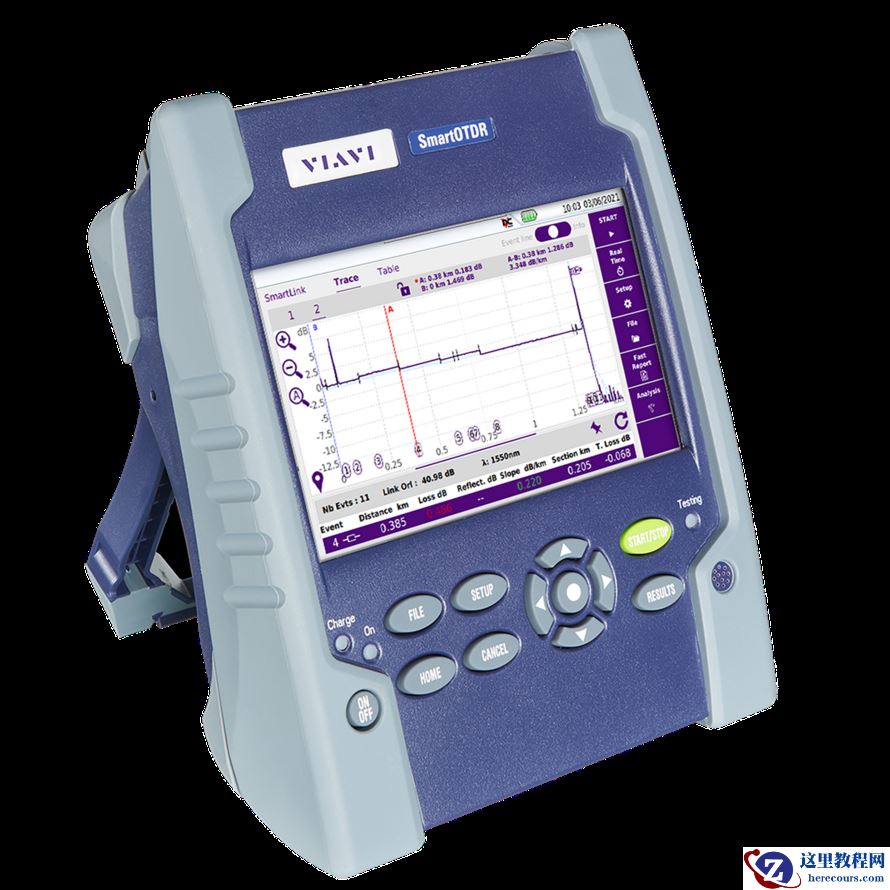
明辰智航推出光纤测试技术人员的解决方案
26-03-03 - 网线和光纤测试及认证的解决方案
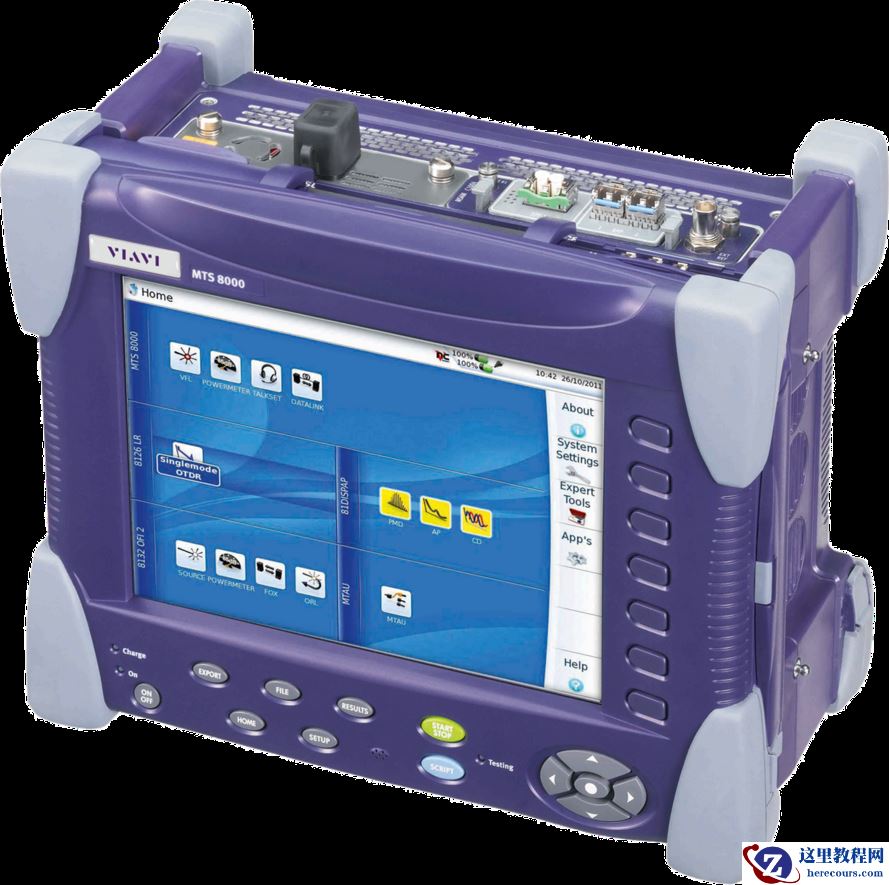
网线和光纤测试及认证的解决方案
26-03-03 - 使用行业标准网线测试解决方案和铜缆应用程序正确地认证铜缆网络

使用行业标准网线测试解决方案和铜缆应用程序正确地认证铜缆网络
26-03-03