[20231225]Descending Bug.txt --//https://jonathanlewis.wordpress.com/2023/12/21/descending-bug-2/ --//重复测试验证看看: 1.环境: SCOTT@test01p> @ver1 PORT_STRING VERSION BANNER CON_ID ------------------------------ -------------- -------------------------------------------------------------------------------- ---------- IBMPC/WIN_NT64-9.1.0 12.2.0.1.0 Oracle Database 12c Enterprise Edition Release 12.2.0.1.0 - 64bit Production 0 2.测试例子建立 create table t1 as with generator as ( select rownum id from dual connect by level <= 1e4 ) select rownum id, substr(dbms_random.string('U',6),1,6) v1, rpad('x',100,'x') padding from generator / alter table t1 modify v1 not null; update t1 set v1 = 'BRAVO' where id = 5000; update t1 set v1 = 'MIKE' where id = 1000; update t1 set v1 = 'YANKEE' where id = 9000; commit ; create index t1_i1 on t1(v1 desc); 3.测试: SCOTT@test01p> @ sl all alter session set statistics_level = all; Session altered. SCOTT@test01p> select v1, id from t1 where v1 in ( 'MIKE', 'YANKEE', 'BRAVO') order by v1 ; V1 ID ------ ---- YANKEE 9000 MIKE 1000 BRAVO 5000 --//可以发现输出结果并没有按照v1排序,而是相反顺序输出.可以将降序索引的bug在这个版本是存在的. SCOTT@test01p> @ dpc '' '' '' PLAN_TABLE_OUTPUT ------------------------------------- SQL_ID fzyn715b7sq20, child number 0 ------------------------------------- select v1, id from t1 where v1 in ( 'MIKE', 'YANKEE', 'BRAVO') order by v1 Plan hash value: 4226741654 --------------------------------------------------------------------------------------------------------------------------------- | Id | Operation | Name | Starts | E-Rows |E-Bytes| Cost (%CPU)| E-Time | A-Rows | A-Time | Buffers | --------------------------------------------------------------------------------------------------------------------------------- | 0 | SELECT STATEMENT | | 1 | | | 43 (100)| | 3 |00:00:00.01 | 9 | | 1 | INLIST ITERATOR | | 1 | | | | | 3 |00:00:00.01 | 9 | | 2 | TABLE ACCESS BY INDEX ROWID | T1 | 3 | 3 | 33 | 43 (0)| 00:00:01 | 3 |00:00:00.01 | 9 | |* 3 | INDEX RANGE SCAN DESCENDING| T1_I1 | 3 | 40 | | 3 (0)| 00:00:01 | 3 |00:00:00.01 | 6 | --------------------------------------------------------------------------------------------------------------------------------- Query Block Name / Object Alias (identified by operation id): ------------------------------------------------------------- 1 - SEL$1 2 - SEL$1 / T1@SEL$1 3 - SEL$1 / T1@SEL$1 Predicate Information (identified by operation id): --------------------------------------------------- 3 - access(("T1"."SYS_NC00004$"=HEXTORAW('BDADBEA9B0FF') OR "T1"."SYS_NC00004$"=HEXTORAW('B2B6B4BAFF') OR "T1"."SYS_NC00004$"=HEXTORAW('A6BEB1B4BABAFF'))) filter((SYS_OP_UNDESCEND("T1"."SYS_NC00004$")='BRAVO' OR SYS_OP_UNDESCEND("T1"."SYS_NC00004$")='MIKE' OR SYS_OP_UNDESCEND("T1"."SYS_NC00004$")='YANKEE')) 31 rows selected. --//尝试加入提示index(t1 t1_i1): SCOTT@test01p> select /*+ index(t1 t1_i1) */ v1, id from t1 where v1 in ('MIKE','YANKEE','BRAVO') order by v1; V1 ID ------------ ---------- BRAVO 5000 MIKE 1000 YANKEE 9000 --//可以发现输出结果正确! SCOTT@test01p> @ dpc '' '' '' PLAN_TABLE_OUTPUT ------------------------------------- SQL_ID 50920pyr8518u, child number 0 ------------------------------------- select /*+ index(t1 t1_i1) */ v1, id from t1 where v1 in ('MIKE','YANKEE','BRAVO') order by v1 Plan hash value: 1337030419 -------------------------------------------------------------------------------------------------------------------------------------------------------------------- | Id | Operation | Name | Starts | E-Rows |E-Bytes| Cost (%CPU)| E-Time | A-Rows | A-Time | Buffers | OMem | 1Mem | Used-Mem | -------------------------------------------------------------------------------------------------------------------------------------------------------------------- | 0 | SELECT STATEMENT | | 1 | | | 44 (100)| | 3 |00:00:00.01 | 8 | | | | | 1 | SORT ORDER BY | | 1 | 3 | 33 | 44 (3)| 00:00:01 | 3 |00:00:00.01 | 8 | 2048 | 2048 | 2048 (0)| | 2 | INLIST ITERATOR | | 1 | | | | | 3 |00:00:00.01 | 8 | | | | | 3 | TABLE ACCESS BY INDEX ROWID BATCHED| T1 | 3 | 3 | 33 | 43 (0)| 00:00:01 | 3 |00:00:00.01 | 8 | | | | |* 4 | INDEX RANGE SCAN | T1_I1 | 3 | 40 | | 3 (0)| 00:00:01 | 3 |00:00:00.01 | 5 | | | | -------------------------------------------------------------------------------------------------------------------------------------------------------------------- Query Block Name / Object Alias (identified by operation id): ------------------------------------------------------------- 1 - SEL$1 3 - SEL$1 / T1@SEL$1 4 - SEL$1 / T1@SEL$1 Predicate Information (identified by operation id): --------------------------------------------------- 4 - access(("T1"."SYS_NC00004$"=HEXTORAW('BDADBEA9B0FF') OR "T1"."SYS_NC00004$"=HEXTORAW('B2B6B4BAFF') OR "T1"."SYS_NC00004$"=HEXTORAW('A6BEB1B4BABAFF'))) filter((SYS_OP_UNDESCEND("T1"."SYS_NC00004$")='BRAVO' OR SYS_OP_UNDESCEND("T1"."SYS_NC00004$")='MIKE' OR SYS_OP_UNDESCEND("T1"."SYS_NC00004$")='YANKEE')) --//仔细看执行计划,仅仅出现INDEX RANGE SCAN. id=3变成了TABLE ACCESS BY INDEX ROWID BATCHED. 4.补充测试: --//测试v1 desc的输出结果. SCOTT@test01p> select v1, id from t1 where v1 in ( 'MIKE', 'YANKEE', 'BRAVO') order by v1 desc ; V1 ID ------------ ---------- BRAVO 5000 MIKE 1000 YANKEE 9000 --//可以发现结果输出是反了. SCOTT@test01p> @ dpc '' '' '' PLAN_TABLE_OUTPUT ------------------------------------- SQL_ID 05qr74tz972rn, child number 0 ------------------------------------- select v1, id from t1 where v1 in ( 'MIKE', 'YANKEE', 'BRAVO') order by v1 desc Plan hash value: 3456773112 -------------------------------------------------------------------------------------------------------------------------------- | Id | Operation | Name | Starts | E-Rows |E-Bytes| Cost (%CPU)| E-Time | A-Rows | A-Time | Buffers | -------------------------------------------------------------------------------------------------------------------------------- | 0 | SELECT STATEMENT | | 1 | | | 43 (100)| | 3 |00:00:00.01 | 9 | | 1 | INLIST ITERATOR | | 1 | | | | | 3 |00:00:00.01 | 9 | | 2 | TABLE ACCESS BY INDEX ROWID| T1 | 3 | 3 | 33 | 43 (0)| 00:00:01 | 3 |00:00:00.01 | 9 | |* 3 | INDEX RANGE SCAN | T1_I1 | 3 | 40 | | 3 (0)| 00:00:01 | 3 |00:00:00.01 | 6 | -------------------------------------------------------------------------------------------------------------------------------- Query Block Name / Object Alias (identified by operation id): ------------------------------------------------------------- 1 - SEL$1 2 - SEL$1 / T1@SEL$1 3 - SEL$1 / T1@SEL$1 Predicate Information (identified by operation id): --------------------------------------------------- 3 - access(("T1"."SYS_NC00004$"=HEXTORAW('BDADBEA9B0FF') OR "T1"."SYS_NC00004$"=HEXTORAW('B2B6B4BAFF') OR "T1"."SYS_NC00004$"=HEXTORAW('A6BEB1B4BABAFF'))) filter((SYS_OP_UNDESCEND("T1"."SYS_NC00004$")='BRAVO' OR SYS_OP_UNDESCEND("T1"."SYS_NC00004$")='MIKE' OR SYS_OP_UNDESCEND("T1"."SYS_NC00004$")='YANKEE')) 31 rows selected. --//总之一些版本存在这个bug. --//https://jonathanlewis.wordpress.com/2023/12/21/descending-bug-2/上一些解析: Best Guess 最好的猜测 The way Oracle handles an IN-list is to start by reducing it to a sorted list of distinct items, before iterating through each item in turn. Then, if there is an order by clause that matches the order of the sorted in-list, and Oracle can walk the index in the right order then it can avoid a "sort order by" operation. Oracle处理in列表的方式是先将其简化为不同项的排序列表,然后依次遍历每个项。然后,如果排序顺序与排序列表中的顺序匹配, Oracle可以按照正确的顺序行走索引,那么它可以避免按操作顺序排序。 I'm guessing that there may be two separate optimizer strategies in the "descending columns" case that have collided and effectively cancelled each other out: 我猜在降列的情况中有两种相互碰撞并有效相互抵消的优化策略: Hypothetical Strategy 1: If there is a "descending index" that can be range scanned for the data the in-list should be sorted in descending order before iterating. (There is a flaw in this suggestion – see below) 假设策略1:如果存在降序索引,可以进行数据范围扫描,应在迭代之前按降序排序。(这个建议存在一个缺陷,见下文) Hypothetical strategy 2: Because the query has an order by (ascending) clause the index scan should be in descending order to avoid a sort operation. 假设策略2:由于查询的顺序是按(升序)子句排列,因此索引扫描应按降序排列,以避免执行排序操作。 The flaw in the first suggestion is that the Predicate Information suggests that it's not true. This is what you get in every case (though the operation number changes to 4 when the plan includes a "sort order by" operation): 第一个建议的缺陷是,谓词信息表明它不是真的。这是您在每种情况下得到的结果(尽管当计划包括按操作排序的顺序时,操作编号将变 为4): Predicate Information (identified by operation id): --------------------------------------------------- 3 - access(("T1"."SYS_NC00004$"=HEXTORAW('BDADBEA9B0FF') OR "T1"."SYS_NC00004$"=HEXTORAW('B2B6B4BAFF') OR "T1"."SYS_NC00004$"=HEXTORAW('A6BEB1B4BABAFF'))) filter((SYS_OP_UNDESCEND("T1"."SYS_NC00004$")='BRAVO' OR SYS_OP_UNDESCEND("T1"."SYS_NC00004$")='MIKE' OR SYS_OP_UNDESCEND("T1"."SYS_NC00004$")='YANKEE')) As you can see the values appearing in the access() predicate are the one's complements of BRAVO, MIKE and YANKEE in that order; in no case was the order reversed, and previous experience says that predicates are used in the order they appear in the Predicate Information. 正如您所看到的,在访问()谓词中出现的值是BRAVO、MIKE和YANKEE的补体;在任何情况下,顺序都不是颠倒的,以前的经验说,谓词是 按照它们在谓词信息中出现的顺序使用的。 On the other hand, it's arguable that the three predicate values should have been reported (in some form) at the inlist iterator operation – so this may be a case where the simplest strategy for presenting the plan doesn't match the actual activity of the plan. 另一方面,这三个谓词值应该在内部列表迭代器操作时(以某种形式)被报告是有争议的——因此,这可能是表示计划的最简单策略与计划 的实际活动不匹配的情况。
[20231225]Descending Bug.txt
来源:这里教程网
时间:2026-03-03 19:04:53
作者:
编辑推荐:
- [20231225]Descending Bug.txt03-03
- Oracle数据库分区表SPLIT操作导致归档疯涨03-03
- Oracle用户LOCKED被锁问题案例分析03-03
- linux limit限制03-03
- oracle 跨小版本dg切换应用补丁报错处理03-03
- 短剧开始“海外开花”03-03
- oracle ora-00333 修改案例03-03
- oracle 各版本默认用户03-03
下一篇:
相关推荐
-

-
-
-
-
-
-
-
-
-
-
-
-
-
-
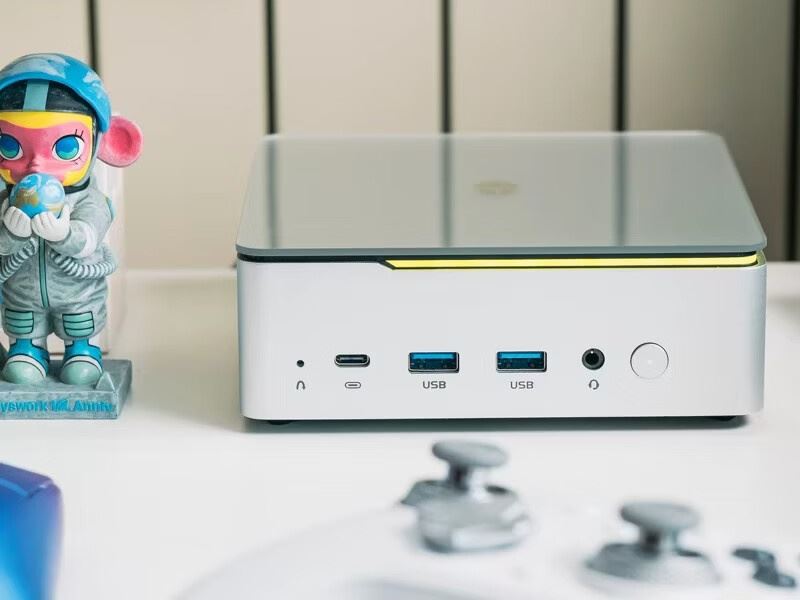
雷神推出 MIX PRO II 迷你主机:基于 Ultra 200H,玻璃上盖 + ARGB 灯效
2 月 9 日消息,雷神 (THUNDEROBOT) 现已宣布推出基于英
-

制造商 Musnap 推出彩色墨水屏电纸书 Ocean C:支持手写笔、第三方安卓应用
2 月 10 日消息,制造商 Musnap 现已在海外推出一款 Oce
热文推荐
- Oracle用户LOCKED被锁问题案例分析
Oracle用户LOCKED被锁问题案例分析
26-03-03 - 短剧开始“海外开花”
短剧开始“海外开花”
26-03-03 - oracle ora-00333 修改案例

oracle ora-00333 修改案例
26-03-03 - Oracle 12C TDE问题引发DG不同步案例分析
Oracle 12C TDE问题引发DG不同步案例分析
26-03-03 - oracle重建ocr

oracle重建ocr
26-03-03 - 数据库管理-第126期 如何将数据从11g弄到19c上(202301223)
- oracle数据恢复—服务器断电导致Windows环境下Oracle数据库报错的数据恢复案例
- 探路AIGC,SaaS迎来了重估时刻?
探路AIGC,SaaS迎来了重估时刻?
26-03-03 - rac坏了asm盘进不去怎么办?amdu来办帮你
rac坏了asm盘进不去怎么办?amdu来办帮你
26-03-03 - 说点JSON使用的注意事项
说点JSON使用的注意事项
26-03-03