前言
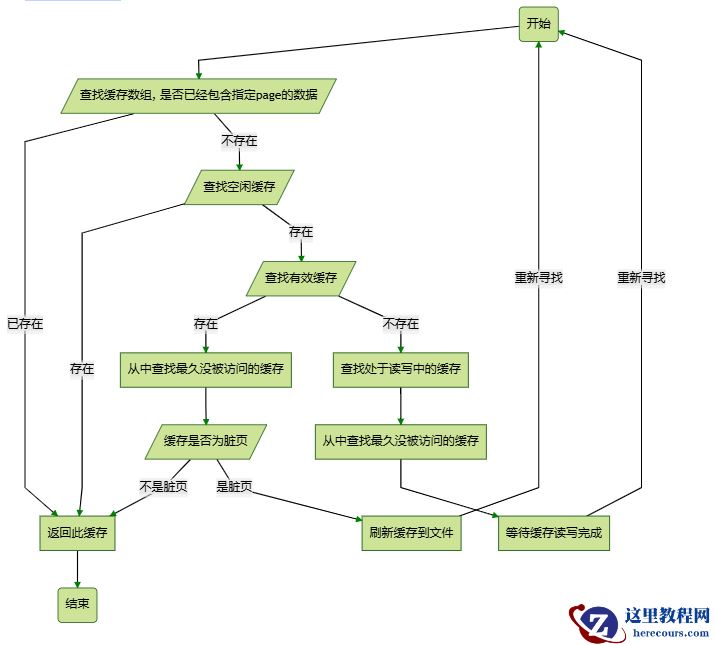
postgresql 有一个后台进程 bgwriter,它会定时刷新缓存到文件系统中。这种机制提高了缓存的替换速度,因为在寻找空闲缓存时,有时需要将脏页刷新到文件中,而刷新操作是比较耗时的。同样它也提高了执行 checkpoint 的完成速度,因为 checkpoint 需要刷新所有的脏页。
监控
BgWriter 的监控只能从 **
pg_stat_bgwriter**视图查看,它只是记录了统计数据
| Column | Type | Description |
|---|---|---|
| buffers_clean | bigint | bgwriter 刷新缓存的总数 |
| maxwritten_clean | bigint | 因为达到最大缓存刷新数目,而bgwriter退出的次数 |
| buffers_alloc | bigint | 用户的可用缓存分配数目 |
BgWriter 进程
bgwriter 进程的原理很简单,它只是定期的执行缓存刷新。它有两个状态,正常状态和冬眠状态。在正常状态下,bgwriter 在刷新完缓存后,会等待时长
bgwriter_delay(可以在
postgresql.conf指定,默认值为200ms)。当连续两次都没有要刷新的缓存,那么就会进入冬眠状态,这时的等待时长变为
50 * bgwriter_delay。
执行原理
BgWriter 进程会维护了一些统计数据,这些数据会影响到刷新缓存的执行。在介绍下面内容之前,读者需要了解下 clock sweep 缓存替换算法,可以参考此篇文章。
确认遍历数目和位置
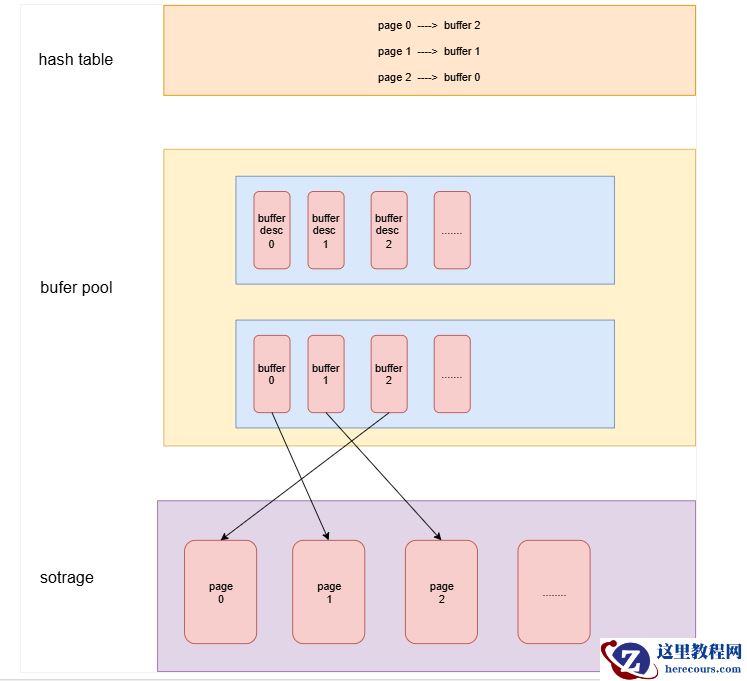
postgresql 的缓存是由一个环形数组来表示,clock sweep 算法会记录上次的遍历结束位置和已遍历的缓存轮数。我们把 clock sweep 算法的遍历位置记为
strategy_id,缓存轮数记为
strategy_pass。当然 bgwriter 也会记录上次的遍历结束位置和遍历轮数,分别记为
next_to_clean_id和
next_to_clean_passes。
首先确定遍历的缓存数目和起始位置。遍历的方向只能从前往后,并且需要此次 bgwriter 能够遍历到
strategy_id。分为下面三种情况:
1.
next_to_clean_passes >
strategy_pass 并且
strategy_id > next_to_clean_id,那么遍历数目为
strategy_id - next_to_clean_id,否则不需要遍历。
2.
next_to_clean_passes ==
strategy_pass 并且
next_to_clean_id > strategy_id,那么遍历数目为
NBuffers - (next_to_clean - strategy_buf_id)
3.其他情况,遍历数目为
NBuffers,起始位置为
strategy_id,更新
next_clean_id = strategy_id
预估缓存替换数目
bgwriter 还会使用以往的缓存替换数据,来推断此次 bgwriter 的缓存需求数目和。
计算此次 bgwriter 的缓存需求数目,采用了平滑算法,
-
recent_alloc表示距离上次 bgwrite 期间的缓存需求数smoothing_samples参数为16,表示平滑程度。smoothed_alloc表示平滑之后的平均值,初始值为0。
if (smoothed_alloc <= (float) recent_alloc)
    // 为了保证此次缓存替换数目大,没有使用平滑算法
    smoothed_alloc = recent_alloc;else
    // 计算平滑之后的值
    smoothed_alloc += ((float) recent_alloc - smoothed_alloc) / smoothing_samples;
其实
smoothed已经可以作为此次 bgwriter 到下次期间的缓存需求预估值,但是为了应对请求突然增大的情况,这里会再乘以
bgwriter_lru_multiplier因子(可以在
postgresql.conf配置)
// 计算预估值upcoming_alloc_est = (int) (smoothed_alloc * bgwriter_lru_multiplier);
因为缓存遍历是从
next_clean_id开始向后遍历,直到遇到
strategy_id为止。而从
strategy_id到
next_clean_id的这段距离,是有其他进程遍历的,我们需要估算出这部分的可用缓存数量。
通过上次 bgwriter 到此次的统计数据来估算。这里先估算出来找到平均一个可用缓存需要遍历的缓存数目
// clock sweep 遍历的缓存数目,缓存数组的长度为NBuffersstrategy_delta = strategy_buf_id - prev_strategy_buf_id;strategy_delta += (long) passes_delta * NBuffers;// 计算上次期间的平均遍历数目scans_per_alloc = (float) strategy_delta / (float) recent_alloc;// 平滑操作smoothed_density += (scans_per_alloc - smoothed_density) / smoothing_samples;
strategy_id到
next_to_clean_id这段距离,预估的可用缓存数目
reusable_buffers_est = (float) (NBuffers - bufs_to_lap) / smoothed_density;
执行完成条件
bgwriter 会从第一步计算出的遍历起始位置,开始遍历。
- 如果该缓存的引用次数或使用次数不为零,就会遍历下一个缓存。
- 如果该缓存的引用次数或使用次数都为零,认为该缓存是可用缓存。
- 如果该缓存为脏页,就刷新到文件并且发送局部sync请求后,也认为该缓存是可用缓存。
当它满足下面三个条件之一,就会认为此次 bgwrite 完成。
1.遍历的缓存数目已经达到结束位置(在第一步中确认遍历数目和位置)
2.遍历过程中,
reusable_buffers_est + 遍历过程中的可用缓存数目 >= upcoming_alloc_est
3.刷新的数目超过了
bgwriter_lru_maxpages(可以在
postgresql.conf中配置)
局部 sync
注意上面的脏页刷新只是写入到了文件系统的cache里,并不代表着持久化到磁盘,所以它会发送局部 sync 请求。当请求量超过了
bgwriter_flush_after,就会处理堆积的 sync 请求。注意到这里是局部 sync 请求,它在处理时调用了
sync_file_range方法,只是文件中指定的一段内容持久化到磁盘,而不是整个文件。
配置参数
| 名称 | 含义 | 默认值 |
|---|---|---|
| bgwriter_delay | 每次执行bgwriter的间隔时间 | 200ms |
| bgwriter_lru_maxpages | 每次执行bgwriter,刷新缓存的最大数目 | 100 |
| bgwriter_lru_multiplier | 在预估需要缓存数目的因子 | 2 |
| bgwriter_flush_after | 当局部sync请求达到的最大数,会触发处理 | 512KB |
bgwriter_flush_after这个配置项比较特殊,如果没有附带单位,那么表示缓存的个数。如果有,表示缓存的容量。
#PG证书#PG考试#postgresql培训#postgresql考试#postgresql认证