Spring Boot CORS 教程显示了如何在 Spring Boot 应用中设置跨域资源共享。
CORS
跨域资源共享(CORS)是一种安全策略,它使用 HTTP 标头来告诉浏览器,让运行在一个来源(域)上的 Web 应用有权访问来自另一个来源的服务器中的选定资源。
网页可以嵌入跨域图像,样式表,脚本,iframe 和视频。 默认情况下,同源安全策略禁止某些跨域请求,尤其是 Ajax 请求。
XMLHttpRequest 和 Fetch API 遵循同源策略。 因此; 使用这些 API 的 Web 应用只能从加载应用的相同来源请求 HTTP 资源,除非来自其他来源的响应包括正确的 CORS 标头。
Spring Boot CORS 示例
以下 Spring Boot 应用将 Angular 用作前端。 Angular SPA 在localhost:4200上运行,并向在localhost:8080上运行的 Spring Boot 后端发出请求。 为此,我们需要在 Spring Boot 应用中启用 CORS。
Spring Boot 后端
后端将在 Spring Boot 中创建。
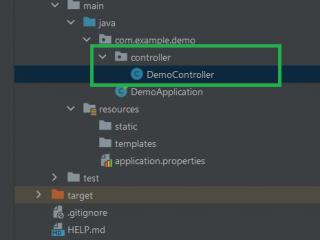
pom.xmlsrc├───main│ ├───java│ │ └───com│ │ └───zetcode│ │ │ Application.java│ │ │ MyRunner.java│ │ ├───config│ │ │ AppConf.java│ │ ├───controller│ │ │ MyController.java│ │ ├───model│ │ │ City.java│ │ └───repository│ │ CityRepository.java│ └───resources│ │ application.properties│ └───static│ index.html└───test └───java
这是项目结构。
pom.xml
<?xml version="1.0" encoding="UTF-8"?><project xmlns="http://maven.apache.org/POM/4.0.0" xmlns:xsi="http://www.w3.org/2001/XMLSchema-instance" xsi:schemaLocation="http://maven.apache.org/POM/4.0.0 http://maven.apache.org/xsd/maven-4.0.0.xsd"> <modelVersion>4.0.0</modelVersion> <groupId>com.zetcode</groupId> <artifactId>corsex</artifactId> <version>1.0-SNAPSHOT</version> <packaging>jar</packaging> <properties> <project.build.sourceEncoding>UTF-8</project.build.sourceEncoding> <maven.compiler.source>11</maven.compiler.source> <maven.compiler.target>11</maven.compiler.target> </properties> <parent> <groupId>org.springframework.boot</groupId> <artifactId>spring-boot-starter-parent</artifactId> <version>2.1.5.RELEASE</version> </parent> <dependencies> <dependency> <groupId>org.springframework.boot</groupId> <artifactId>spring-boot-starter-web</artifactId> </dependency> <dependency> <groupId>org.springframework.boot</groupId> <artifactId>spring-boot-starter-data-jpa</artifactId> </dependency> <dependency> <groupId>com.h2database</groupId> <artifactId>h2</artifactId> <scope>runtime</scope> </dependency> </dependencies> <build> <plugins> <plugin> <groupId>org.springframework.boot</groupId> <artifactId>spring-boot-maven-plugin</artifactId> </plugin> </plugins> </build></project>
这是 Maven 构建文件。
resources/application.properties
spring.main.banner-mode=off
application.properties是主要的 Spring Boot 配置文件。 使用spring.main.banner-mode属性,我们可以关闭 Spring 标语。
com/zetcode/model/City.java
package com.zetcode.model;import java.util.Objects;import javax.persistence.Entity;import javax.persistence.GeneratedValue;import javax.persistence.GenerationType;import javax.persistence.Id;import javax.persistence.Table;@Entity@Table(name = "cities")public class City { @Id @GeneratedValue(strategy = GenerationType.AUTO) private Long id; private String name; private int population; public City() { } public City(String name, int population) { this.name = name; this.population = population; } public Long getId() { return id; } public void setId(Long id) { this.id = id; } public String getName() { return name; } public void setName(String name) { this.name = name; } public int getPopulation() { return population; } public void setPopulation(int population) { this.population = population; } @Override public int hashCode() { int hash = 7; hash = 79 * hash + Objects.hashCode(this.id); hash = 79 * hash + Objects.hashCode(this.name); hash = 79 * hash + this.population; return hash; } @Override public boolean equals(Object obj) { if (this == obj) { return true; } if (obj == null) { return false; } if (getClass() != obj.getClass()) { return false; } final City other = (City) obj; if (this.population != other.population) { return false; } if (!Objects.equals(this.name, other.name)) { return false; } return Objects.equals(this.id, other.id); } @Override public String toString() { var builder = new StringBuilder(); builder.append("City{id=").append(id).append(", name=") .append(name).append(", population=") .append(population).append("}"); return builder.toString(); }}这是City实体。 它包含以下属性:id,name和population。
com/zetcode/repository/CityRepository.java
package com.zetcode.repository;import com.zetcode.model.City;import org.springframework.data.jpa.repository.JpaRepository;import org.springframework.stereotype.Repository;@Repositorypublic interface CityRepository extends JpaRepository<City, Long> {}CityRepository从JpaRepository延伸。 它提供了实体的类型及其主键。
com/zetcode/controller/MyController.java
package com.zetcode.controller;import com.zetcode.model.City;import com.zetcode.repository.CityRepository;import org.springframework.beans.factory.annotation.Autowired;import org.springframework.web.bind.annotation.GetMapping;import org.springframework.web.bind.annotation.RestController;import java.util.List;@RestControllerpublic class MyController { @Autowired private CityRepository cityRepository; @GetMapping(value = "/cities") public List<City> cities() { return cityRepository.findAll(); }}在MyController中,我们有一个返回所有城市的端点。
Note: In Java enterprise applications it is a good practice to define a service layer that works with repositories. For simplicity reasons, we skip the service layer.
com/zetcode/conf/AppConf.java
package com.zetcode.config;import org.springframework.context.annotation.Configuration;import org.springframework.web.servlet.config.annotation.CorsRegistry;import org.springframework.web.servlet.config.annotation.WebMvcConfigurer;@Configurationpublic class AppConf implements WebMvcConfigurer { @Override public void addCorsMappings(CorsRegistry registry) { registry.addMapping("/**") .allowedOrigins("http://localhost:4200") .allowedMethods("GET"); }}使用CorsRegistry,我们启用 CORS。 我们设置允许的来源和请求方法。
com/zetcode/MyRunner.java
package com.zetcode;import com.zetcode.model.City;import com.zetcode.repository.CityRepository;import org.slf4j.Logger;import org.slf4j.LoggerFactory;import org.springframework.beans.factory.annotation.Autowired;import org.springframework.boot.CommandLineRunner;import org.springframework.stereotype.Component;@Componentpublic class MyRunner implements CommandLineRunner { private static final Logger logger = LoggerFactory.getLogger(MyRunner.class); @Autowired private CityRepository cityRepository; @Override public void run(String... args) throws Exception { logger.info("Saving cities"); cityRepository.save(new City("Bratislava", 432000)); cityRepository.save(new City("Budapest", 1759000)); cityRepository.save(new City("Prague", 1280000)); cityRepository.save(new City("Warsaw", 1748000)); cityRepository.save(new City("Los Angeles", 3971000)); cityRepository.save(new City("New York", 8550000)); cityRepository.save(new City("Edinburgh", 464000)); }}在MyRunner中,我们将数据添加到内存 H2 数据库中。
resources/static/index.html
<!DOCTYPE html><html lang="en"><head> <meta charset="UTF-8"> <title>Home page</title></head><body><p> This is home page</p><script>fetch('http://localhost:8080/cities') .then(res => res.json()) .then(data => console.log('Output: ', data)) .catch(err => console.error(err));</script></body></html>在主页中,我们使用 Fetch API 创建一个获取所有城市的请求。 该请求来自同一来源,因此此处不需要 CORS。
com/zetcode/Application.java
package com.zetcode;import org.springframework.boot.SpringApplication;import org.springframework.boot.autoconfigure.SpringBootApplication;@SpringBootApplicationpublic class Application { public static void main(String[] args) { SpringApplication.run(Application.class, args); }}Application设置 Spring Boot 应用。
Angular 前端
应用的前端是使用 Angular 创建的。
$ npm i -g @angular/cli$ ng new frontend$ cd frontend
我们创建一个新的 Angular 应用。
src/app/app.module.ts
import { BrowserModule } from '@angular/platform-browser';import { NgModule } from '@angular/core';import { HttpClientModule } from '@angular/common/http';import { AppComponent } from './app.component';@NgModule({ declarations: [ AppComponent ], imports: [ BrowserModule, HttpClientModule ], providers: [], bootstrap: [AppComponent]})export class AppModule { }在app.module.ts中,我们启用了 http 模块,该模块用于发出请求。
src/app/app.component.ts
import { Component, OnInit } from '@angular/core';import { HttpClient } from '@angular/common/http';@Component({ selector: 'app-root', templateUrl: './app.component.html', styleUrls: ['./app.component.css']})export class AppComponent implements OnInit { constructor(private http: HttpClient) { } title = 'frontend'; httpdata; ngOnInit() { this.http.get('http://localhost:8080/cities') .subscribe((data) => this.displaydata(data)); } displaydata(data) { this.httpdata = data; }}在ngOnInit()方法中,我们向后端创建一个 GET 请求。 数据存储在httpdata中。
src/app/app.component.html
<h2>List of cities</h2><ul *ngFor = "let data of httpdata"> <li>Name : {{data.name}} Population: {{data.population}}</li></ul>我们使用*ngFor指令在 HTML 列表中显示数据。
$ ng serve
我们启动 Angular 服务器。
$ mvn spring-boot:run
我们运行后端服务器。 现在我们找到localhost:4200。 加载页面后,会将请求发送到 Spring Boot 应用以获取城市列表。
在本教程中,我们为具有 Angular 前端的 Spring Boot 应用启用了 CORS 支持。 由于这两个部分在不同的域上运行,因此需要 CORS。