Spring Boot Jersey 教程展示了如何在 Spring Boot 应用中使用 Jersey 建立一个简单的 RESTFul 应用。 Jersey 是使用@RestController创建的 Spring RESTFul 应用的替代方案。
Spring 是用于创建企业应用的流行 Java 应用框架。 Spring Boot 是 Spring 框架发展的下一步。 它有助于以最小的努力创建独立的,基于生产级的 Spring 应用。 它提倡在 XML 配置上使用约定而不是配置原则。
RESTFul 应用
RESTFul 应用遵循 REST 体系结构样式,该样式用于设计网络应用。 RESTful 应用生成对资源执行 CRUD(创建/读取/更新/删除)操作的 HTTP 请求。 RESTFul 应用通常以 JSON 或 XML 格式返回数据。
JAX-RS
RESTful Web 服务的 Java API(JAX-RS)是 Java 编程语言 API 规范,它提供了根据代表性状态传输(REST)架构模式创建 Web 服务的支持。 JAX-RS 使用注解来简化 Web 服务客户端和端点的开发和部署。 JAX-RS 是 Java EE 的正式组成部分。
Jersey
Jersey 是用于用 Java 开发 RESTful Web 服务的开源框架。 它是 RESTful Web 服务 Java API(JAX-RS)规范的参考实现。
Spring Boot Jersey 示例
以下应用是使用 Jersey 创建的 simpe Spring Boot RESTful 应用。
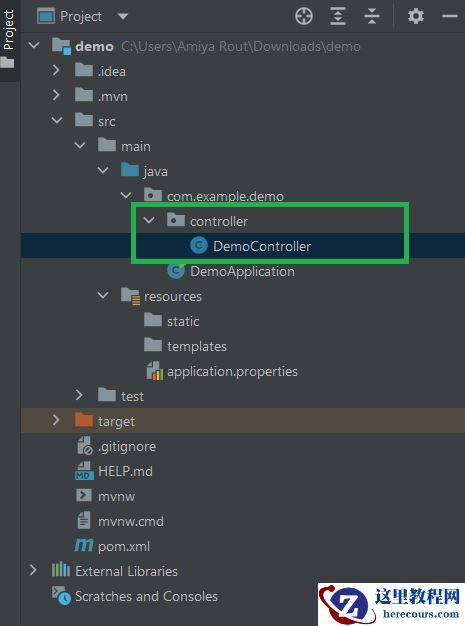
$ tree.├── pom.xml└── src ├── main │ ├── java │ │ └── com │ │ └── zetcode │ │ ├── Application.java │ │ ├── config │ │ │ └── JerseyConfig.java │ │ └── endpoint │ │ ├── HelloEndpoint.java │ │ └── ReverseReturnEndpoint.java │ └── resources └── test └── java └── com └── zetcode └── ApplicationTests.java
这是项目结构。
pom.xml
<?xml version="1.0" encoding="UTF-8"?><project xmlns="http://maven.apache.org/POM/4.0.0" xmlns:xsi="http://www.w3.org/2001/XMLSchema-instance" xsi:schemaLocation="http://maven.apache.org/POM/4.0.0 http://maven.apache.org/xsd/maven-4.0.0.xsd"> <modelVersion>4.0.0</modelVersion> <groupId>com.zetcode</groupId> <artifactId>SpringBootJersey</artifactId> <version>1.0-SNAPSHOT</version> <packaging>jar</packaging> <properties> <project.build.sourceEncoding>UTF-8</project.build.sourceEncoding> <maven.compiler.source>1.8</maven.compiler.source> <maven.compiler.target>1.8</maven.compiler.target> </properties> <parent> <groupId>org.springframework.boot</groupId> <artifactId>spring-boot-starter-parent</artifactId> <version>1.5.9.RELEASE</version> </parent> <dependencies> <dependency> <groupId>org.springframework.boot</groupId> <artifactId>spring-boot-starter-jersey</artifactId> </dependency> <dependency> <groupId>org.springframework.boot</groupId> <artifactId>spring-boot-starter-test</artifactId> <scope>test</scope> </dependency> </dependencies> <build> <plugins> <plugin> <groupId>org.springframework.boot</groupId> <artifactId>spring-boot-maven-plugin</artifactId> </plugin> </plugins> </build> </project>
这是 Maven 构建文件。 Spring Boot 启动器是一组方便的依赖项描述符,可以极大地简化 Maven 配置。 spring-boot-starter-parent具有 Spring Boot 应用的一些常用配置。 spring-boot-starter-jersey是使用 JAX-RS 和 Jersey 构建 RESTful Web 应用的入门。 它是spring-boot-starter-web的替代方法。 spring-boot-starter-test是使用包含 JUnit,Hamcrest 和 Mockito 的库测试 Spring Boot 应用的入门程序。
spring-boot-maven-plugin在 Maven 中提供了 Spring Boot 支持,使我们可以打包可执行的 JAR 或 WAR 档案。 它的spring-boot:run目标运行 Spring Boot 应用。
application.yml
server: port: 8086 context-path: /apispring: main: banner-mode: "off" logging: level: org: springframework: ERROR
在application.yml文件中,我们编写了 Spring Boot 应用的各种配置设置。 我们设置端口和上下文路径。 使用banner-mode属性,我们可以关闭 Spring 标语。
我们将 spring 框架的日志记录级别设置为 ERROR。 在application.yml文件位于中src/main/resources目录。
JerseyConfig.java
package com.zetcode.config;import com.zetcode.endpoint.HelloService;import com.zetcode.endpoint.ReverseService;import org.glassfish.jersey.server.ResourceConfig;import org.springframework.context.annotation.Configuration;@Configurationpublic class JerseyConfig extends ResourceConfig { public JerseyConfig() { register(HelloService.class); register(ReverseService.class); }}JerseyConfig注册两个服务类别。
HelloService.java
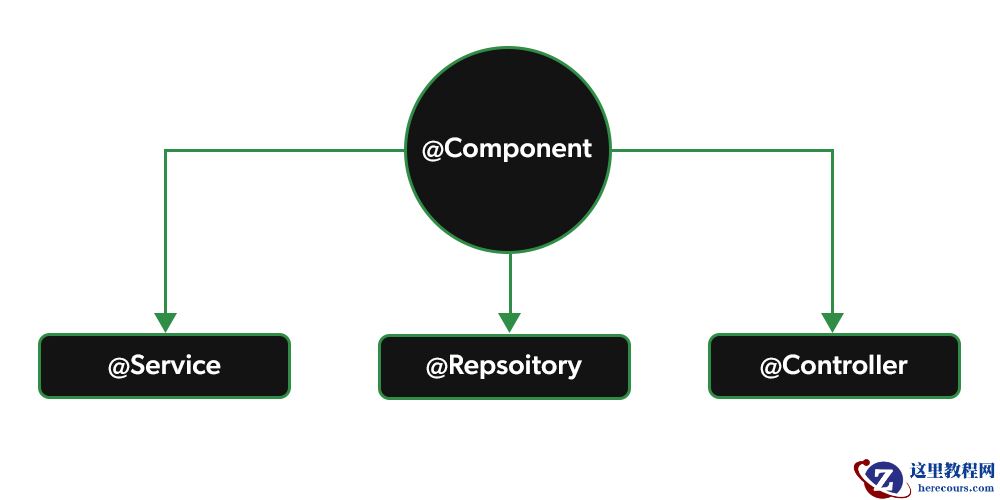
package com.zetcode.service;import javax.ws.rs.GET;import javax.ws.rs.Path;import javax.ws.rs.Produces;import org.springframework.stereotype.Service;@Service@Path("/hello")public class HelloService { @GET @Produces("text/plain") public String hello() { return "Hello from Spring"; }}这是HelloService。 @Path注解定义了服务类将响应的 URL。 Spring 的@Service也注解了HelloService以进行自动检测。 我们的服务方法仅返回“ Hello from Spring”消息。
HelloService.java
package com.zetcode.service;import javax.validation.constraints.NotNull;import javax.ws.rs.GET;import javax.ws.rs.Path;import javax.ws.rs.Produces;import javax.ws.rs.QueryParam;import org.springframework.stereotype.Service;@Service@Path("/reverse")public class ReverseService { @GET @Produces("text/plain") public String reverse(@QueryParam("data") @NotNull String data) { return new StringBuilder(data).reverse().toString(); }}reverse()服务方法返回一个反向的字符串。 它接受一个参数,不能为 null。 @QueryParam将 HTTP 查询参数的值绑定到资源方法参数。
ApplicationTests.java
package com.zetcode;import static org.assertj.core.api.Assertions.assertThat;import org.junit.Test;import org.junit.runner.RunWith;import org.springframework.beans.factory.annotation.Autowired;import org.springframework.boot.test.context.SpringBootTest;import org.springframework.boot.test.context.SpringBootTest.WebEnvironment;import org.springframework.boot.test.web.client.TestRestTemplate;import org.springframework.http.HttpStatus;import org.springframework.http.ResponseEntity;import org.springframework.test.context.junit4.SpringRunner;@RunWith(SpringRunner.class)@SpringBootTest(webEnvironment = WebEnvironment.RANDOM_PORT)public class ApplicationTests { @Autowired private TestRestTemplate restTemplate; @Test public void hello() { ResponseEntity<String> entity = this.restTemplate.getForEntity("/hello", String.class); assertThat(entity.getStatusCode()).isEqualTo(HttpStatus.OK); assertThat(entity.getBody()).isEqualTo("Hello from Spring"); } @Test public void reverse() { ResponseEntity<String> entity = this.restTemplate .getForEntity("/reverse?data=regit", String.class); assertThat(entity.getStatusCode()).isEqualTo(HttpStatus.OK); assertThat(entity.getBody()).isEqualTo("tiger"); } @Test public void validation() { ResponseEntity<String> entity = this.restTemplate.getForEntity("/reverse", String.class); assertThat(entity.getStatusCode()).isEqualTo(HttpStatus.BAD_REQUEST); }}在ApplicationTests中,我们测试了两个端点。
Application.java
package com.zetcode;import org.springframework.boot.SpringApplication;import org.springframework.boot.autoconfigure.SpringBootApplication;@SpringBootApplicationpublic class Application { public static void main(String[] args) { SpringApplication.run(Application.class, args); }}Application设置 Spring Boot 应用。 @SpringBootApplication启用自动配置和组件扫描。
$ mvn spring-boot:run
使用mvn spring-boot:run命令,运行应用。 该应用部署在嵌入式 Tomcat 服务器上。
$ curl localhost:8086/api/helloHello from Spring
使用curl命令,我们连接到 hello 端点。
$ curl localhost:8086/api/reverse?data=summerremmus
夏天的字符是相反的。
在本教程中,我们使用 Jersey 借助 Spring Boot 创建了一个简单的 RESTFul 应用,它是 JAX-RS 规范的参考实现。