
内容来自:
MSSQL2005-QUERY EXECUTION学习笔记之二
来源:这里教程网
时间:2026-03-02 10:00:38
作者:
编辑推荐:
- Word2007文档如何转成PDF03-02
- word2007如何插入交叉引用03-02
- MSSQL2005-QUERY EXECUTION学习笔记之二03-02
- MSSQL2005-QUERY EXECUTION学习笔记一03-02
- Word2007如何制作公章03-02
- mssql论坛集锦03-02
- Word2007如何插入图表03-02
- SQL Server解题:《编程之美》1的数目03-02
下一篇:
相关推荐
-

-
-
-
-
-
-
-
-
-
-
-
-
-
-

雷神推出 MIX PRO II 迷你主机:基于 Ultra 200H,玻璃上盖 + ARGB 灯效
2 月 9 日消息,雷神 (THUNDEROBOT) 现已宣布推出基于英
-

制造商 Musnap 推出彩色墨水屏电纸书 Ocean C:支持手写笔、第三方安卓应用
2 月 10 日消息,制造商 Musnap 现已在海外推出一款 Oce
热文推荐
- AutoCAD教程:长方体和圆角命令的运用
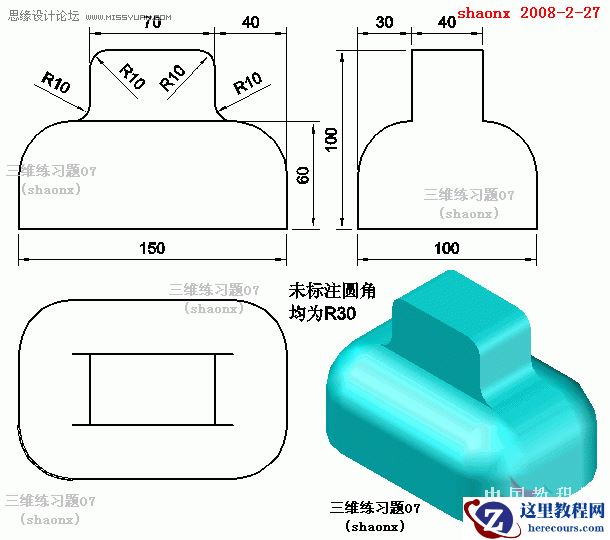
AutoCAD教程:长方体和圆角命令的运用
26-03-02 - AutoCAD教程:平面摄影命令将三维模型转为三视图
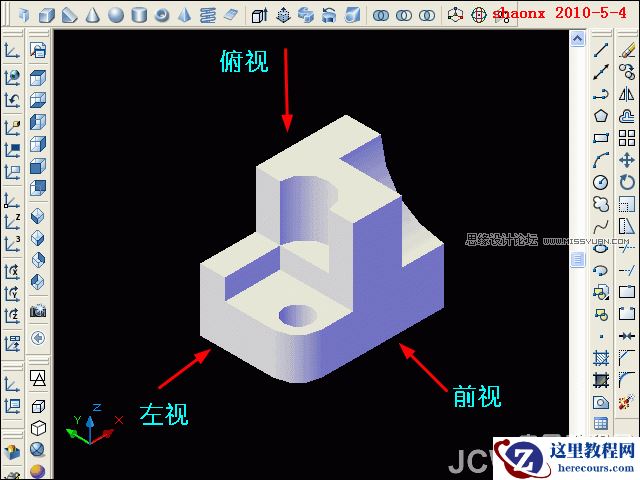
AutoCAD教程:平面摄影命令将三维模型转为三视图
26-03-02 - AutoCAD中式建筑模型烛台的画法
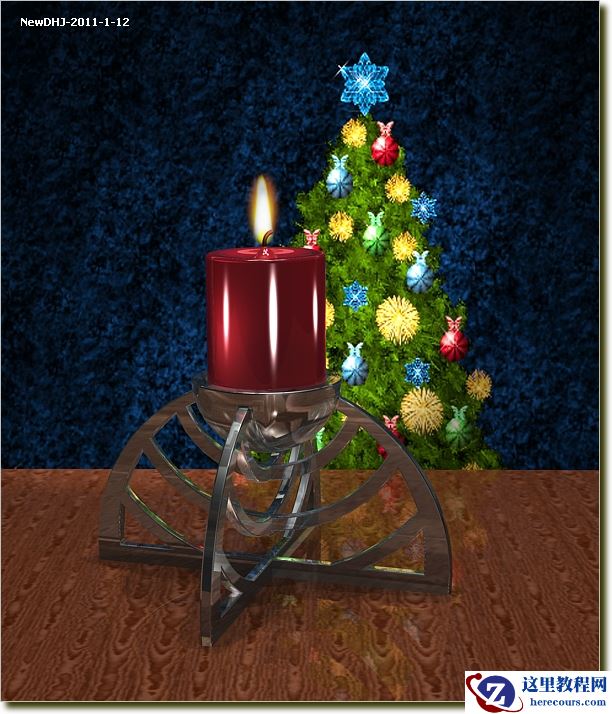
AutoCAD中式建筑模型烛台的画法
26-03-02 - word2007如何将自选图形对齐
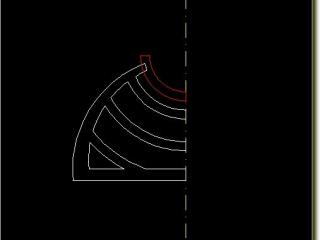
word2007如何将自选图形对齐
26-03-02 - word2007怎么设置下拉菜单

word2007怎么设置下拉菜单
26-03-02 - 原来MSSQL还可以这样调优
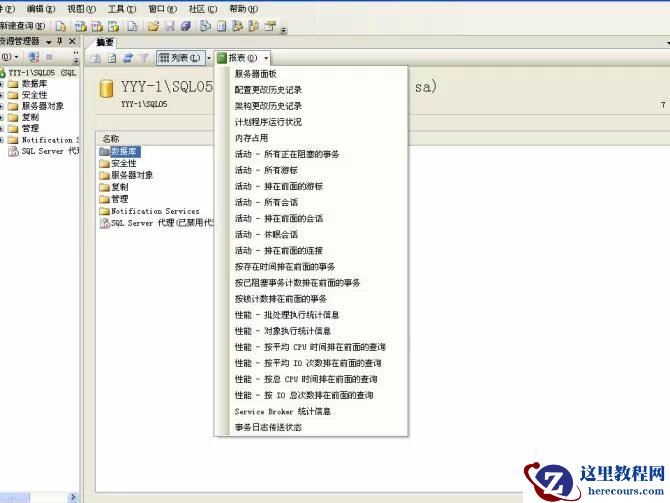
原来MSSQL还可以这样调优
26-03-02 - SQL Server 检测字符串中是否有重复字符的函数
SQL Server 检测字符串中是否有重复字符的函数
26-03-02 - AutoCAD三维教程:南非世界杯足球的画法及渲染

AutoCAD三维教程:南非世界杯足球的画法及渲染
26-03-02 - 关于记录数的疑问
关于记录数的疑问
26-03-02 - 文件的导入导出

文件的导入导出
26-03-02