sql server如何重建索引到其它文件组
来源:这里教程网
时间:2026-03-02 10:35:25
作者:
set nocount on
declare @index table
(
object_id int,
objectName sysname,
index_id int,
indexName sysname,
fill_factor tinyint,
allow_row_locks bit,
allow_page_locks bit,
is_padded bit,
indexText varchar(max),
indexTextEnd varchar(max)
)
declare @indexColumn table
(
object_id int,
index_id int,
column_id int,
index_column_id int,
max_index_column_id int,
is_descending_key bit,
is_included_column bit,
columnName varchar(255),
indexText varchar(max) null
)
insert into @index
select
i.object_id,
object_name(i.object_id),
i.index_id,
i.name,
fill_factor,
allow_row_locks,
allow_page_locks,
is_padded,
'CREATE NONCLUSTERED INDEX [' + i.name + '] ON [dbo].[' + object_name(i.object_id) + '] ' + char(13),
'WITH (PAD_INDEX = ' +
CASE WHEN is_padded = 1 THEN ' ON ' ELSE ' OFF ' END +
', STATISTICS_NORECOMPUTE = OFF, SORT_IN_TEMPDB = OFF, IGNORE_DUP_KEY = OFF, DROP_EXISTING = ON, ONLINE = OFF, ALLOW_ROW_LOCKS = ' +
CASE WHEN allow_row_locks = 1 THEN ' ON ' ELSE ' OFF ' END +
', ALLOW_PAGE_LOCKS = ' +
CASE WHEN allow_page_locks = 1 THEN ' ON ' ELSE ' OFF ' END +
CASE WHEN fill_factor > 0 THEN ', FILLFACTOR = ' + convert(varchar(3), fill_factor) ELSE '' END +
') ON [IndexFG];print('''+i.name+' @ '+object_name(i.object_id)+''')' --+ CHAR(13) + ' GO;'+ CHAR(13) --注意标红的地方,这是新的文件组的名称
from sys.indexes i
where i.type = 2 and not exists(select 1 from sys.key_constraints kc where kc.name=i.name)
and objectproperty(i.object_id , 'IsUserTable') = 1
order by object_name(i.object_id), i.name
insert into @indexColumn
select
i.object_id,
i.index_id,
ic.column_id,
ic.index_column_id,
max(ic.index_column_id) over (partition by i.object_id, i.index_id, is_included_column),
is_descending_key,
is_included_column,
'[' + c.name + ']',
null
from @index i
join sys.index_columns ic
on i.object_id = ic.object_id
and i.index_id = ic.index_id
join sys.columns c
on ic.object_id = c.object_id
and ic.column_id = c.column_id
order by i.object_id, i.index_id, ic.index_column_id
declare @fields varchar(max)
declare @object_id int, @index_id int
select @fields = null, @object_id = -1, @index_id = -1
update @indexColumn
set @fields = indexText =
case when object_id = isnull(@object_id, object_id) and index_id = isnull(@index_id, index_id)
then isnull(@fields + ', ', ' ') + columnName + case when is_descending_key = 0 then ' ASC' else ' DESC' end
else columnName + case when is_descending_key = 0 then ' ASC' else ' DESC' end
end,
@object_id = case when object_id <> @object_id
then object_id else @object_id end,
@index_id = case when index_id <> @index_id
then index_id else @index_id end
from @indexColumn
where is_included_column = 0
select @fields = null, @object_id = -1, @index_id = -1
update @indexColumn
set @fields = indexText =
case when object_id = isnull(@object_id, object_id) and index_id = isnull(@index_id, index_id)
then isnull(@fields + ', ', ' ') + columnName
else columnName
end,
@object_id = case when object_id <> @object_id
then object_id else @object_id end,
@index_id = case when index_id <> @index_id
then index_id else @index_id end
from @indexColumn
where is_included_column = 1
update @index
set indexText = i.indexText + '( ' + char(13) + char(9) + ic.indexText + char(13) + ') '
from @index i join @indexColumn ic
on i.object_id = ic.object_id
and i.index_id = ic.index_id
and ic.index_column_id = ic.max_index_column_id
and ic.is_included_column = 0
update @index
set indexText = i.indexText + 'INCLUDE ( ' + char(13) + char(9) + ic.indexText + char(13) + ') '
from @index i join @indexColumn ic
on i.object_id = ic.object_id
and i.index_id = ic.index_id
and ic.index_column_id = ic.max_index_column_id
and ic.is_included_column = 1
update @index
set indexText = indexText + indexTextEnd
from @index
select indexText, objectName, indexName
from @index
最后的查询结果第一行就是执行的命令!
编辑推荐:
相关推荐
-

-
-
-
-
-
-
-
-
-
-
-
-
-
-
雷神推出 MIX PRO II 迷你主机:基于 Ultra 200H,玻璃上盖 + ARGB 灯效
2 月 9 日消息,雷神 (THUNDEROBOT) 现已宣布推出基于英
-
制造商 Musnap 推出彩色墨水屏电纸书 Ocean C:支持手写笔、第三方安卓应用
2 月 10 日消息,制造商 Musnap 现已在海外推出一款 Oce
热文推荐
- 液晶显示器哪个好?显示器十大牌子介绍

液晶显示器哪个好?显示器十大牌子介绍
26-03-02 - sqlserver 连接 oracle

sqlserver 连接 oracle
26-03-02 - 电脑中病毒的10种症状
电脑中病毒的10种症状
26-03-02 - 平台迁移过程中出现的MSSQL数据库接连问题

平台迁移过程中出现的MSSQL数据库接连问题
26-03-02 - 如何修复桌面快捷键图标有文字没图案
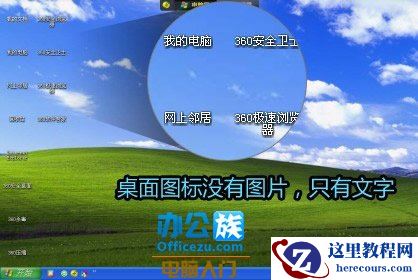
如何修复桌面快捷键图标有文字没图案
26-03-02 - SQL Server数据库文件与Windows系统透明文件压缩
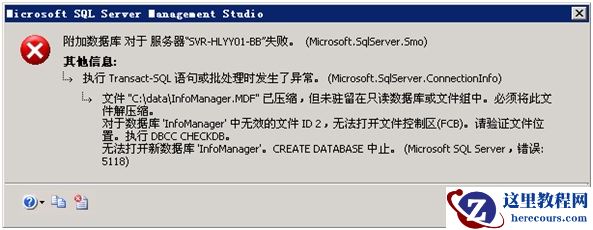
SQL Server数据库文件与Windows系统透明文件压缩
26-03-02 - 如何将FAT32格式的磁盘转换为NTFS格式
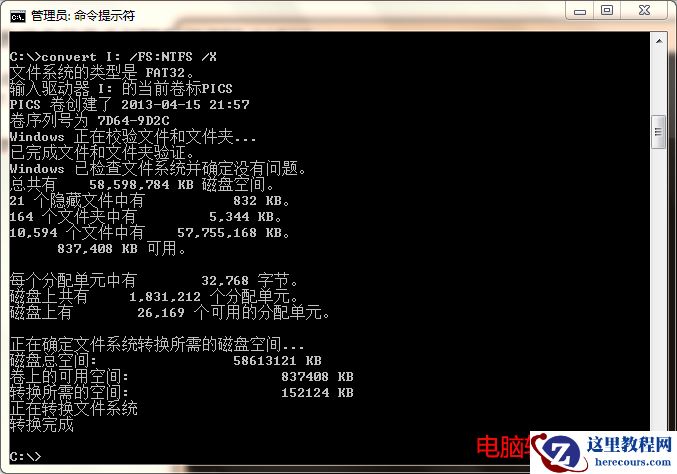
如何将FAT32格式的磁盘转换为NTFS格式
26-03-02 - Negozio adidas. Ognuno semplicemente bisogno di entrare in
- 如何设置u盘文件权限无法删除
如何设置u盘文件权限无法删除
26-03-02 - 强制关闭电脑好不好
强制关闭电脑好不好
26-03-02