Spring Boot Flash 属性教程展示了如何在 Spring Boot 应用中创建 Flash 消息。
Spring 是流行的 Java 应用框架,而 Spring Boot 是 Spring 的演进,可以帮助轻松地创建独立的,生产级的基于 Spring 的应用。
Flash 消息是用于用户通知或存储表单输入的临时数据。 它们存储在一个会话中,并且一旦检索就消失。
使用RedirectAttributes's addFlashAttribute()在 Spring 中将 Flash 消息创建为 Flash 属性。 它们与RedirectView结合使用。
Spring Boot Flash 属性示例
在以下应用中,我们创建用于通知和记住表单输入值的 Flash 属性。 我们有一个带有两个输入的表格。 如果输入值不符合验证标准,则应用将重定向到表单页面并显示错误消息; 这些消息作为 Flash 属性发送。
此外,还可以记住表单的正确值。
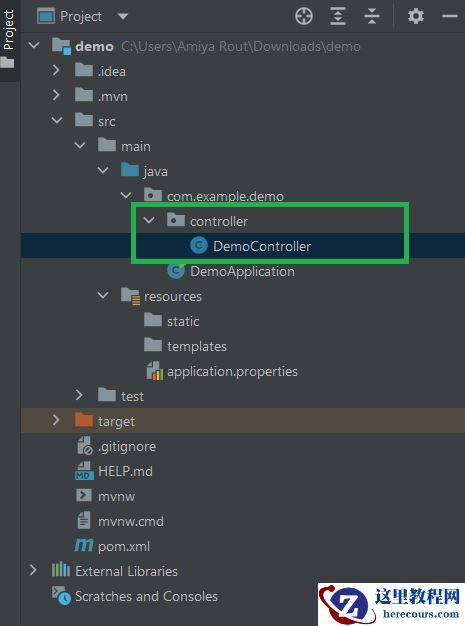
src├───main│ ├───java│ │ └───com│ │ └───zetcode│ │ │ Application.java│ │ └───controller│ │ MyController.java│ ││ └───resources│ └───templates│ index.html│ showMessage.html└───test └───java
这是 Spring 应用的项目结构。
pom.xml
<?xml version="1.0" encoding="UTF-8"?><project xmlns="http://maven.apache.org/POM/4.0.0" xmlns:xsi="http://www.w3.org/2001/XMLSchema-instance" xsi:schemaLocation="http://maven.apache.org/POM/4.0.0 http://maven.apache.org/xsd/maven-4.0.0.xsd"> <modelVersion>4.0.0</modelVersion> <groupId>com.zetcode</groupId> <artifactId>springflashmessage</artifactId> <version>1.0-SNAPSHOT</version> <properties> <project.build.sourceEncoding>UTF-8</project.build.sourceEncoding> <maven.compiler.source>11</maven.compiler.source> <maven.compiler.target>11</maven.compiler.target> </properties> <parent> <groupId>org.springframework.boot</groupId> <artifactId>spring-boot-starter-parent</artifactId> <version>2.1.1.RELEASE</version> </parent> <dependencies> <dependency> <groupId>org.springframework.boot</groupId> <artifactId>spring-boot-starter-web</artifactId> </dependency> <dependency> <groupId>org.springframework.boot</groupId> <artifactId>spring-boot-starter-thymeleaf</artifactId> </dependency> <dependency> <groupId>org.hibernate</groupId> <artifactId>hibernate-validator</artifactId> <version>6.0.13.Final</version> </dependency> </dependencies> <build> <plugins> <plugin> <groupId>org.springframework.boot</groupId> <artifactId>spring-boot-maven-plugin</artifactId> </plugin> </plugins> </build></project>
这是 Maven pom.xml文件。 我们使用spring-boot-starter-thymeleaf与 Thymeleaf 进行模板化,并使用hibernate-validator进行表单数据验证。
com/zetcode/controller/MyController.java
package com.zetcode.controller;import org.springframework.stereotype.Controller;import org.springframework.ui.Model;import org.springframework.validation.annotation.Validated;import org.springframework.web.bind.annotation.ExceptionHandler;import org.springframework.web.bind.annotation.RequestMapping;import org.springframework.web.bind.annotation.RequestParam;import org.springframework.web.context.request.WebRequest;import org.springframework.web.servlet.ModelAndView;import org.springframework.web.servlet.mvc.support.RedirectAttributes;import org.springframework.web.servlet.view.RedirectView;import org.thymeleaf.util.StringUtils;import javax.validation.ConstraintViolationException;import javax.validation.constraints.Size;import java.util.ArrayList;import java.util.HashMap;import java.util.Map;@Controller@Validatedpublic class MyController { @RequestMapping("/") public String index(Model model) { return "index"; } @RequestMapping("/message") public ModelAndView message(@RequestParam @Size(min = 2, max = 255) String name, @RequestParam @Size(min = 2, max = 255) String occupation) { var msg = String.format("%s is a %s", name, occupation); Map<String, Object> params = new HashMap<>(); params.put("message", msg); return new ModelAndView("showMessage", params); } @ExceptionHandler(ConstraintViolationException.class) public RedirectView handleError(ConstraintViolationException ex, WebRequest request, RedirectAttributes atts) { var name = request.getParameter("name"); var occupation = request.getParameter("occupation"); var errorMessages = new ArrayList<String>(); var violations = ex.getConstraintViolations(); violations.forEach(violation -> { var error = String.format("%s: %s", violation.getPropertyPath(), violation.getMessage()); errorMessages.add(error); }); if (!StringUtils.isEmptyOrWhitespace(name)) { atts.addFlashAttribute("name", name); } if (!StringUtils.isEmptyOrWhitespace(occupation)) { atts.addFlashAttribute("occupation", occupation); } atts.addFlashAttribute("messages", errorMessages); var redirectView = new RedirectView("/"); return redirectView; }}这是MyController。 它响应来自客户端的请求。 它找出当前日期和时间,并将处理过程解析为showMessage.ftl模板,并将其传递给数据。
@Controller@Validatedpublic class MyController {@Validated注解验证带注解的请求参数。 在我们的例子中,我们使用两个@Size注解。
@RequestMapping("/")public String index(Model model) { return "index";}根页面返回索引视图,该视图将表单发送给客户端。
@RequestMapping("/message")public ModelAndView message(@RequestParam @Size(min = 2, max = 255) String name, @RequestParam @Size(min = 2, max = 255) String occupation) { var msg = String.format("%s is a %s", name, occupation); Map<String, Object> params = new HashMap<>(); params.put("message", msg); return new ModelAndView("showMessage", params);}此操作响应表单提交。 两个输入参数,名称和职业用@Size注解。 如果一切正常,将根据参数构建一条消息,并使用showMessage视图将其发送到客户端。
@ExceptionHandler(ConstraintViolationException.class)public RedirectView handleError(ConstraintViolationException ex, WebRequest request, RedirectAttributes atts) {如果输入参数未能通过验证,则会抛出ConstraintViolationException。 我们在提供的异常处理程序中对异常做出反应。
var name = request.getParameter("name");var occupation = request.getParameter("occupation");我们得到了请求参数。 它们用于保留正确的表单输入值。
var errorMessages = new ArrayList<String>();var violations = ex.getConstraintViolations();violations.forEach(violation -> { var error = String.format("%s: %s", violation.getPropertyPath(), violation.getMessage()); errorMessages.add(error);});我们得到约束违例并建立错误消息列表。 错误消息将显示在表单上方的索引表单页面中。
if (!StringUtils.isEmptyOrWhitespace(name)) { atts.addFlashAttribute("name", name);}if (!StringUtils.isEmptyOrWhitespace(occupation)) { atts.addFlashAttribute("occupation", occupation);}如果填充的输入参数不为空并且不仅包含空格,则将它们与addFlashAttribute()一起存储为 Flash 属性。
atts.addFlashAttribute("messages", errorMessages);错误消息存储为 flash 属性。
var redirectView = new RedirectView("/");return redirectView;我们使用RedirectView重定向到表单页面。
templates/index.html
<!DOCTYPE html><html lang="en" xmlns:th="http://www.thymeleaf.org"><head> <meta charset="UTF-8"> <title>Home page</title> <link href="https://cdnjs.cloudflare.com/ajax/libs/semantic-ui/2.3.1/semantic.min.css" rel="stylesheet"></head><body><section class="ui container"> <ul th:each="message : {messages}"> <li th:text="{message}" class="ui error message" /> </ul> <form class="ui form" action="message" method="post"> <div class="field"> <label>Name:</label> <input type="text" name="name" th:value="{name}"> </div> <div class="field"> <label>Occupation:</label> <input type="text" name="occupation" th:value="{occupation}"> </div> <button class="ui button" type="submit">Send</button> </form></section><script src="https://cdnjs.cloudflare.com/ajax/libs/semantic-ui/2.3.1/semantic.min.js"></script></body></html>
这是主页模板。 它发送带有两个输入的表单:名称和职业。 样式是使用语义 UI 库完成的。
<ul th:each="message : {messages}"> <li th:text="{message}" class="ui error message" /></ul>如果有任何错误消息,将显示它们。
templates/showMessage.html
<!DOCTYPE html><html lang="en" xmlns:th="http://www.thymeleaf.org"><head> <meta charset="UTF-8"> <title>Message</title></head><body><p th:text="${message}"/></body></html>成功处理表单后,showMessage模板会显示一条消息。
com/zetcode/Application.java
package com.zetcode;import org.springframework.boot.SpringApplication;import org.springframework.boot.autoconfigure.SpringBootApplication;@SpringBootApplicationpublic class Application { public static void main(String[] args) { SpringApplication.run(Application.class, args); }}Application是设置 Spring Boot 应用的入口。
在本教程中,我们展示了如何在 Spring 应用中使用 flash 属性。